Category: News

  • COVID-19 Evaluation Panel roundtable with a number of Government Departments

    COVID-19 Evaluation Panel roundtable with a number of Government Departments

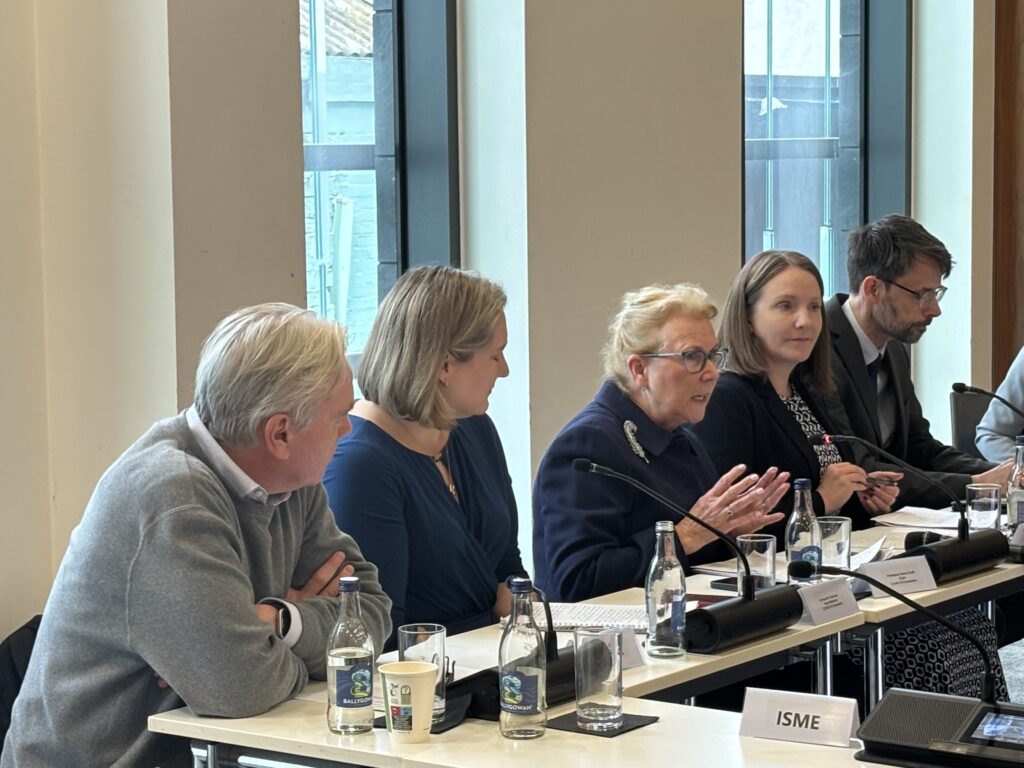
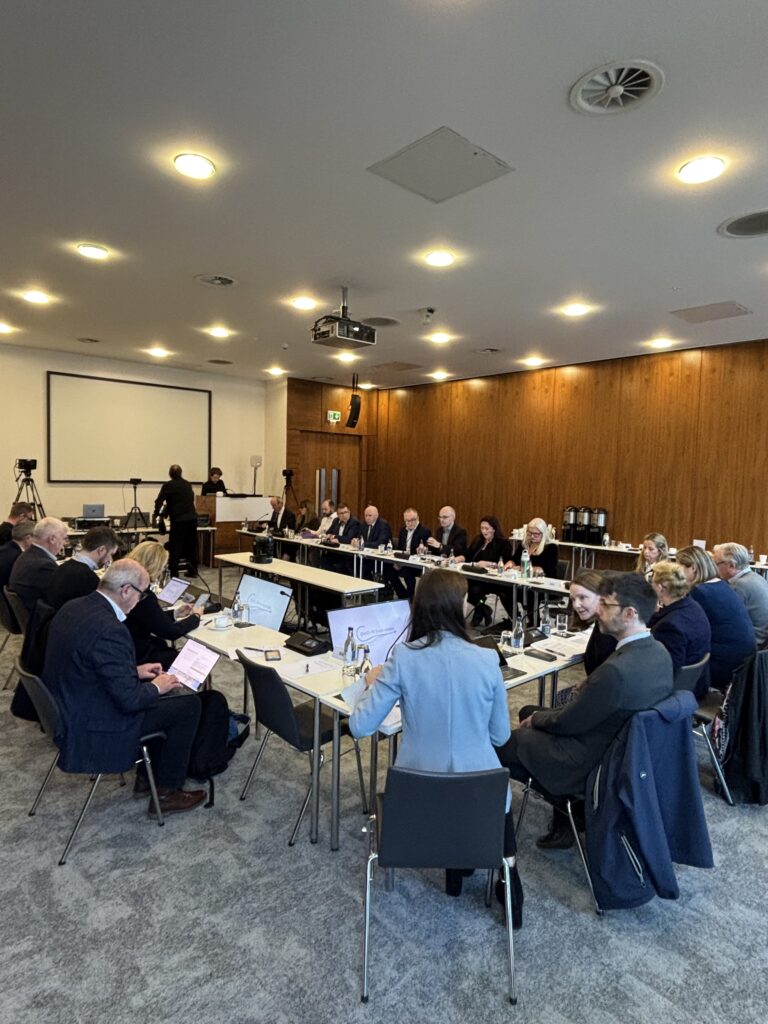
    On Thursday 28th May, the independent COVID-19 Evaluation Panel hosted discussions with a cross section of senior officials from a number of Government Departments, aligned to numerous priority areas of focus for the Evaluation.

    The purpose of this roundtable session was to gain further insights and understanding into a range of decisions, processes and approaches during the COVID-19 pandemic. The roundtable explored Ireland’s multifaceted pandemic response, including preparedness and actions, and lessons learned.

    It largely focused on five key areas which included:

    1: Structures, Governance and Overarching decision-making

    • Response structures
    • Extent of legal force of restrictions & human rights
    • Core decisions

    2: Health and Social care 

    • Health system influence on response
    • Long-term residential care facilities
    • Public Health preparedness: pre-pandemic and looking ahead 

    3: Education & Welfare 

    • School closures, delayed reopening and restrictions in schools
    • Impacts on vulnerable school children and mitigations

    4: Inclusion & Inequality 

    • Congregated settings
    • Impacts on marginalised groups and supports / services
    • Effects on poverty and inequality

    5: Economic & Financial 

    • Economic and labour market outlook (at the onset of the pandemic)
    • Labour market Impacts and supports
    • Fiscal cost and future crisis capacity

    The roundtable was in a questions and answers format with wide-ranging discussions across particular aspects of the management of the pandemic, including response and mitigation supports, from a number of Departments perspectives. The discussion gave insights into the level and complexity of considerations, extensive collaboration and engagement, comprehensive communication and feedback loops.

    The Evaluation Panel members in attendance were:
    •            Prof Anne Scott
    •            Dr David Heymann
    •            Dr. Nora Strekcer
    •            Dr Nat O’Connor
    •            Prof Sara Burke

    Senior Officials that were invited spanned a number of Departments, reflecting the particular areas of focus for the roundtable:

    • Department of Children, Disability and Equality
    • Department of Defence
    • Department of Education & Youth
    • Department of Finance
    • Department of Health 
    • Department of Public Expenditure, Infrastructure, Public Service Reform and Digitalisation
    • Department of Social Protection
    • Department of the Taoiseach 


    Priority topics and related invited Department for this session were arrived at by the Panel upon reflecting on the Evaluation’s wide-ranging programme of work. It sought to balance breadth and a focus on pertinent areas, in the context of the vast scale of pandemic work across all Departments and agencies and associated levels of information already provided to the Evaluation.

    The roundtable forms an input into the Evaluation’s wider focus on exploring what worked, what didn’t work, gaps, and lessons learned in Ireland’s pandemic response.

    To that end, the Evaluation has sought and received a large volume of materials from Government Departments and agencies. Detailed requested formal written submissions have been provided by 18 Departments and the HSE. In aggregate, this amounts to over five hundred documents running to approximately 4,850 pages of detailed content. Following assessment of this information, numerous requests for further specific information has been sought and received, including Government Memorandums.

    In addition to the findings from the Evaluations own public consultations and research, these materials provided an informed basis for the targeted roundtable discussions, allowing the Evaluation Panel members to seek further insights into particular areas, building on detailed written information already received.

    In parallel, the Evaluation has had information sessions with a number of officials covering areas such as emergency planning and Government decision-making processes. Additionally panel members have held sessions with individuals who worked with Government on different aspects of the pandemic response, such as the vaccination rollout and behavioural work; as well as drawing on expertise from across research bodies such as NESC, and academic and research institutions. 

    Panel members have also met with numerous public and independent bodies such as the CSO, HEA, HIQA, the Ombudsman for Children, the Irish Human Rights Equality Commission, the Policing and Community Safety Authority and Chair of the Commission on Care for Older People. This is of course in addition to wider engagement meetings and events with independent experts and stakeholder groups across the areas of economics, health, education, social and human rights.

    In the coming weeks, the Independent COVID-19 Evaluation panel will be holding meetings with other key officials and decision makers, in order to further develop its understanding and assessment of Ireland’s pandemic response, with a focus on priority areas.


  • COVID-19 Evaluation holding private group listening sessions

    COVID-19 Evaluation holding private group listening sessions

    As part of the Evaluation’s consultation on long-term residential care facilities, over the month of May 2026 the Evaluation will hold private group listening sessions.

    The listening sessions form an important part of the inputs into the Evaluation’s dedicated module examining the response to COVID-19 in long-term residential care facilities for older persons, and are specifically for bereaved families who lost loved ones in these facilities during the pandemic.

    These sessions form one element of the Evaluations module on long term care facilities for older persons (LTCF). The Evaluation panel is engaging in wide-ranging research and consultation for this specific module, including;

    • Engagement with stakeholders, advocacy organisations and groups.
    • Engagement with experts, including through a workshop with researchers and experts, which provided insights and information on the research landscape and progress, in particular regarding work carried out for the 2020 Expert Panel Report and related implementation reports.
    • Public consultation survey and personal submissions from those impacted by the response in this sector during the pandemic.
    • Specific consultation on the response in long term residential care facilities for older people, across residents, bereaved families, staff and decision makers of long-term residential care facilities, including surveys and personal written submissions.
    • Private listening sessions for bereaved relatives.
    • Review and analysis of existing reports, outputs and research findings.

    Inputs from Individuals

    Overall, the Evaluation panel received approximately 1000 written inputs from individuals impacted by the pandemic response in this sector as part of its consultation.

    • As part of the public consultation survey and personal submissions, over 400 responses related to long-term residential care were received by the Evaluation panel. Key issues raised included those relating to guidance and infection control, visiting restrictions, level of care, staffing, transfers (between hospitals and nursing homes), residents with dementia, end of life care and deaths.
    • Furthermore, as part of the general public consultation, the Evaluation panel provided an opportunity for those impacted by long-term residential care facilities for older persons, in addition to engaging in the general consultation, to register their interest for an additional consultation relating specifically to long-term residential care facilities for older people.
    • As part of this specific consultation on the pandemic response in this sector, multiple surveys provided the Evaluation with valuable inputs to further understand perspectives and experiences from those impacted, including relatives and visitors, and those who experienced bereavement.
    • Over 600 responses were received, analysis of this data is ongoing and will be published on the COVID-19 Evaluation website shortly.

    Inputs from Stakeholder Groups and Experts

    As part of this consultation, the Evaluation panel members have met with numerous stakeholders involved in the area of long-term residential care, including with organisations supporting residents and families. These stakeholders have met directly with the Chair of the Evaluation to share their views and experiences. The Chair of the Evaluation has met with organisations including:

    • Care Champions
    • Sage Advocacy
    • Nursing Homes Ireland
    • Groups who advocate for patients and
    • Related academics and researchers.

    Meetings and workshops with academic experts and researchers in the area of long-term residential care, included those who have worked with some of the aforementioned advocacy groups as well as those involved in the 2020 Expert Panel Report and related implementation reports. This includes researchers who have considered peoples lived experiences, visiting restrictions in place during the pandemic, human rights, and optimal care and staffing approaches.  

    These engagements, supported by wider written stakeholder submissions, have allowed the Evaluation panel, including Chair Prof Anne Scott, to understand the perspectives of impacted groups. Through these discussions, the Evaluation has developed an awareness and understanding of core issues and concerns, along with collective experiences.

    The impact for bereaved families has been a strong area of focus for the Evaluation throughout, and the private listening sessions are an important element of the LTRC consultation.

    Private Listening Sessions for Bereaved Relatives

    All those who indicated an interest in attending these sessions, and who lost a loved one during the pandemic in a long-term care faciality for older persons, have been invited to do so. These private listening sessions take place in the coming days and weeks in Dublin, Limerick and Galway. The city locations were selected to best facilitate those who responded to the expression of interest invitation.

    The sessions are an opportunity for bereaved relatives, in a personal capacity, to share their story and experience in a private group setting directly with the Chair of the Evaluation, Professor Anne Scott.

    The Evaluation aims to understand, as deeply as possible, how the pandemic was managed and how people were impacted in order to learn from the pandemic experience, and to inform future decision making and responses during such crises. The sessions are being designed as listening opportunities, without any questioning.  This means sessions are not trying to establish facts like in a legal setting, but rather to listen, understand and document experiences and take learning from it.  Each session is being supported by experienced trauma informed facilitators from an organisation called Quality Matters, who are supporting this element of the work of the Evaluation. These sessions are being approached with sensitivity and compassion, mindful of people’s grief.   An aggregate detailed report drawing from each session will provide an overview account of experiences expressed. In line with the approach to the Evaluation’s other public consultation methods, this report will be published on the Evaluation’s website and will inform the Evaluation’s wider final report.

    The final report, and related lessons learned and recommendations, will reflect the wide-ranging inputs and research undertaken across the module on Long Term Residential Care.

    Note further information on Evaluation’s Terms of Reference

    The Terms of Reference placed a focus on a number of areas, such as the overall performance of the health and social care system, and the wider impacts of the pandemic response on individuals, families and communities. They place a particular focus on examining the response to COVID-19 in long-term residential care facilities for older persons, taking account of the 2020 report of the Expert Panel on Nursing Homes and subsequent related progress, and wider information gathering, including the experience of bereaved families.

  • Findings from Consultation for Children and Young People

    Findings from the Consultation for Children and Young People

    The COVID-19 Evaluation has held three consultations as part of its work to gather first hand data and understand the lived experiences of people and how the pandemic impacted them.

    Findings from the general public consultation are available here and a bespoke consultation on the response in long term residential care facilities for older people is ongoing.

    Consultation for Children and Young People

    In October 2025, the Evaluation held a consultation for people aged 16-25. This age category was chosen as those participants would have been aged 11-20 at the beginning of the pandemic, and their perspectives and key concerns are therefore likely to be somewhat nuanced compared to the entire adult population.

    We received over 550 responses. You can find an overview of the findings below. A further detailed breakdown of the findings is available in this presentation.  

    Background

    The consultation featured an online focused survey that included themed multiple-choice questions and an open question for people to share their pandemic experience.

    The survey was designed to capture and understand experiences across education, family life, employment, mental health and wellbeing, among other areas.

    To inform the survey, the COVID-19 Evaluation worked with youth mental health charity Spunout.ie to design and run a focus group with children and young people. The survey was also tested by the COVID-19 Evaluation with a group of young people from Comhairle na nÓg.

    Insights from this informed the survey, which resulted in a strong focus on:

    • Education
    • Development
    • Milestone events

    The Evaluation would like to thank these groups for their assistance.

    Overview of findings

    The top 3 concerns for respondents were:

    1. Mental health and wellbeing (26%)
    2. Relationships and social connections (23%)
    3. Education and development (21%)

    Areas most negatively impacted were:

    • Mental health and wellbeing (71%)
    • Education and development (65%)
    • Physical health (50%)
    • Relationships and connections with others (50%)

    The dimensions or aspects explored in the survey were:

    1: Relationships and social connections (including bereavement and life events and milestones)


    – 50% reported negative impacts on their relationships and connections with others
    – Children and young people who lost a loved one found it harder to not see friends or family due to restrictions

    2: Mental health and wellbeing


    Biggest strains on respondents’ mental health included:

    Loneliness (13%)
    Boredom (11%)
    General anxiety (11%)
    Missing big life events (10%)

    3: Physical health


    – 50% of respondents reported that the pandemic response had a negative impact on their physical health

    4: Housing and local environment (includes digital engagement)


    – 92% lived with family members and had a mixed experience

    5: Education


    – 73% of respondents felt that school closures had a negative impact on them
    – A digital divide emerged as there was a mixed response on the quality of online learning
    – There were also mixed responses in relation to exams, school supports, grade inflation and other educational issues

    6: Development


    – Limitations to sports and activities largely impacted younger respondents

    7: Work and time use


    – Respondents overwhelmingly felt they lost a part of their childhood or teenager years due to the pandemic

    8: Financial and job security


    – 21% of respondents said the pandemic had a negative impact on their financial situation. The group most acutely affected was young adults with 67% of 21 year olds saying the pandemic negatively affected them financially.

    9: Civil liberties, human rights and trust


    – There was a divided response on whether the pandemic impacted their civil liberties, human rights and trust – 34% said that it had a negative impact, 23% reported no impact and 20% reported positive and negative impacts

    COVID-19 and the COVID-19 response had far-reaching impacts for children and young people. Feedback provided included that:

    • Non-essential healthcare was suspended leading to delays in diagnoses and treatment.
    • Children with disabilities and mental health issues faced a sudden withdrawal of supports and services.
    • School closures impacted children, young people and their families – their academic learning, mental health, social connections, access to sport and extracurricular activities.
    • Key formative moments were profoundly altered – children and young people missed out on key events such as their first communion, confirmation, leaving primary school sitting State exams, attending their graduation or Debs, or celebrating big birthdays among others mentioned.
    • This sense of lost time or missed opportunities profoundly impacted children and young people’s mental health.

    To conclude

    A further detailed breakdown of findings is available in this presentation.  

    The independent COVID-19 Evaluation members would like to thank all the young people who took part in this consultation. These findings are a valuable input into the Evaluation’s work and final report.

    To note, the third and final consultation on the pandemic response in long term residential care facilities for older persons is ongoing. A survey for relatives/families of residents (including bereaved relatives), staff, managers and owners, and others directly supporting nursing homes took place in January and February 2026. Over 600 responses were received, and analysis of this data is ongoing and will be published in the coming weeks.

    Additionally, the Evaluation also provided related bereaved families with a further opportunity to register their interest for private group listening sessions with the Chair of the COVID-19 Evaluation. These grouped in-person private listening sessions, for those who lost loved ones in long term residential care facilities during the pandemic, will take place over the coming weeks.


  • Watch: Health Focused Roundtable

    Watch: Health Focused Roundtable

    This health focused roundtable was livestreamed on 31st March 2026.

    This roundtable brought together leading Irish and international experts to examine the health dimensions of the response to the COVID-19 pandemic and the lessons that can be learned for future public health emergencies.

  • COVID-19 Evaluation convenes Irish and International health experts on pandemic response

    COVID-19 Evaluation convenes Irish and International health experts on pandemic response

    International and national experts share reflections and insights

    Press Release

    Ireland’s independent COVID-19 Evaluation will host a live streamed roundtable bringing together leading Irish and international experts to examine the health dimensions of the response to the COVID-19 pandemic and the lessons that can be learned for future public health emergencies.

    The specialist forum will explore how public health shaped Ireland’s management of the COVID-19 pandemic, including the use of non-pharmaceutical interventions taken in response to the virus, and the interaction between public health led decision-making and wider health system considerations.

    It is an opportunity for participants to provide reflections on pandemic responses, from a position of expertise and explore the strengths and weaknesses of approaches, to take learnings to support better future preparedness.

    The roundtable will feature international perspectives from high profile contributors including  Dr Anders Tegnell, Sweden’s former State Epidemiologist during the pandemic; Professor Mark Woolhouse of the University of Edinburgh, who advised the UK and Scottish governments during COVID-19; and Professor David Heymann of the London School of Hygiene & Tropical Medicine, a member of Ireland’s COVID-19 Evaluation panel who also served on a World Health Organization surge team supporting the COVID-19 response in South Africa.

    International to national perspectives will include Dr Mike Ryan, former Deputy Director of the WHO, alongside a range of other leading Irish public health and health policy experts namely, Professor Mary Codd, Professor Ivan Perry, Professor Anthony Staines, Professor Steve Thomas, Professor Patricia Leahy-Warren, Dr Patrick O’Donnell, and Professor Sarah Burke, an expert to the COVID-19 Evaluation panel.

    The event will take place on the morning of Tuesday 31 March and will be livestreamed to the public as part of the Evaluation’s commitment to openness and transparency. The discussion will be facilitated by journalist and author Dearbhail McDonald.

    Ahead of the event, Professor Anne Scott, Chair of the COVID-19 Evaluation, said:

    “This roundtable brings together informed and experienced voices in public health and health policy. By hearing a wide range of Irish and international perspectives, we can better understand the strengths and weaknesses of pandemic approaches, learn lessons from the management of COVID-19 and strengthen preparedness for future public health emergencies.”

    Professor David Heymann added:

    “Reflective discussion is an important part of understanding how different countries responded to COVID-19 and what can be learned from those experiences. By bringing together Irish and international expertise, this roundtable will help inform the Evaluation’s assessment of what worked, what challenges emerged, and recommendations for future public health emergency planning.”

    Ireland’s COVID-19 Evaluation is an independent, non-statutory process chaired by Professor Anne Scott. Its purpose is to learn lessons from the pandemic by examining Ireland’s response and its impacts including across health, society and the economy.

    Event details

    The roundtable will be livestreamed from 10.00am to 12.30pm 31st March 2026. Irish Sign Language interpretation will be available. A full recording will be made available on the Evaluation’s website following the event.

    Full list of participants: Professor David Heymann, Dr Anders Tegnell, Professor Mark Woolhouse, Dr Mike Ryan, Professor Ivan Perry, Professor Mary Codd, Professor Anthony Staines, Professor Steve Thomas, Professor Patricia Leahy-Warren, Dr Patrick O’Donnell, and Professor Sara Burke.

    This will be in addition to the other Covid-19 Evaluation Panel members Professor Anne Scott, Professor Bert Gordijn, and Dr Nat O’Connor.
    Observers: Post Doctoral Researchers to the COVID-19 Evaluation: Dr Dimuthu Rathnayake, Dr Charlotte Myers and Dr Veronica Segerstrom.

    This roundtable will focus on wide public health-led aspects of the COVID-19 response. The particular response to COVID-19 in long-term residential care facilities for older persons is being examined separately as a dedicated Evaluation module.

    Please note

    Additionally, previous engagements include a wide-ranging public consultation, a society focused stakeholder roundtable last July, a survey consultation for young people in October, an economic roundtable in November, and bespoke surveys on experiences in long-term residential care facilities for older persons.

    Full details on the COVID-19 Evaluation are available at www.covid19evaluation.ie, including the Terms of Reference.

    The process is independent of Government and guided by the principles of independence, transparency, objectivity and fairness.

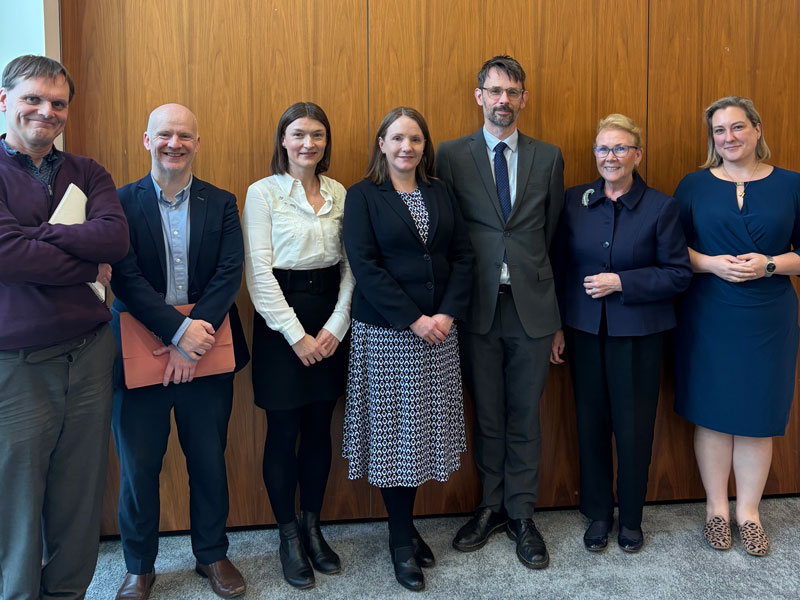
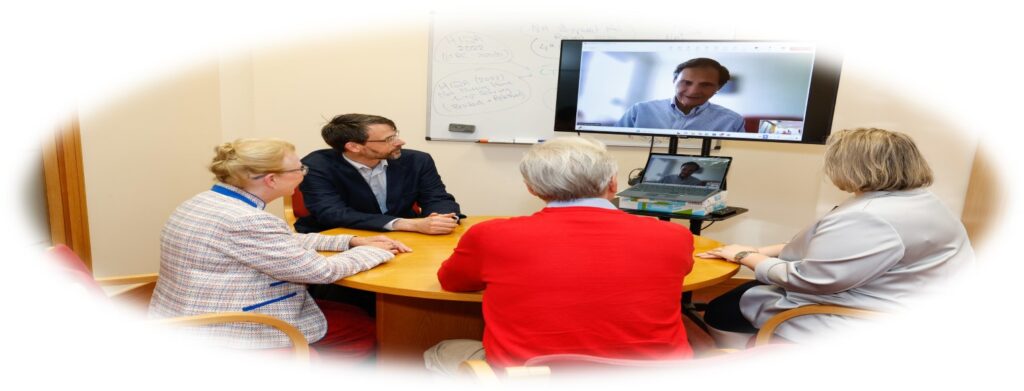
    Some of the panel members partaking in last November’s Economic Roundtable. From Left to Right, Professor Bert Gordijn, Dr Nora Strecker, Professor Anne Scott, Director of the ESRI Martina Lawless, Dr Nat O’Connor.

  • Findings from the General Public Consultation

    Findings from the COVID-19 Evaluation’s general public consultation

    An overview presentation of the public consultation findings is available.

    A further detailed analysis paper is available.

    In Summer 2025, the independent COVID-19 Evaluation ran a public consultation to give the public and stakeholder groups the opportunity to share their experiences of the COVID-19 pandemic and how it was managed.

    This general public consultation involved a wide-ranging long and short survey, individual submissions, and submissions from stakeholder organisations. We also invited and received published research from academics.

    While the survey and wider submissions do not necessarily represent the whole population, they represent the views of those who chose to share their experiences with the COVID-19 Evaluation.

    The surveys covered numerous quality-of-life aspects to better understand how the pandemic impacted different areas or aspects of people’s lives. It was also designed to understand how different groups of people may have been impacted in different ways.

    These inputs have allowed the Evaluation to understand how the pandemic affected people in a variety of ways, and to better appreciate the personal impacts on thousands of people.

    Insights from the general public consultation on nursing homes and other healthcare settings have also helped inform an additional consultation on long-term residential care facilities for older people.

    Survey highlights

    The top 3 areas of concern for respondents during the pandemic were:

    1. Mental health & wellbeing (47%)
    2. Relationships, social connections & community (45%)
    3. Physical health (35%)

    (percentages represent the portion of respondents who indicated that dimension was their key area of concern)

    Respondents reported the highest proportion of negative impacts on:

    • Education and development (from students’ and parents/guardians’ perspectives only – 65% and 61%; respectively.
    • Civil liberties, human rights and trust (46%)
    • Mental health and wellbeing (44%)
    • Work and time use (41%)
    • Relationships and connections (40%)

    Respondents reported the highest positive impacts on:

    • Local area (26%).

    When we look at how people’s quality of life was affected by the COVID-19 pandemic, people’s stage of life and personal circumstances made a big difference.

    • People who found it difficult to make ends meet reported more negative impacts from the COVID-19 pandemic, including on their relationships and mental health.
    • People who had very young children also experienced negative impacts, especially single parents, including on their physical health, work and time use and financial situation.
    • Age also made a difference, with younger people feeling considerably impacted across many areas, including mental health, education and development and work and time use.
    • Carers and people with a disability also reported negative impacts across areas such as mental health and physical health.
    • For certain areas, such as civil liberties, human rights and trust, there were strong differences based on gender.

    Highlights from the survey open text responses and individual submissions

    People raised concerns about different issues, including:

    • Public health not just being about infection numbers but also about protecting mental health and wellbeing.
    • Increased burden of care due to school and childcare closures, the closure of disability day services and other supports, and the introduction of cocooning.
    • Lost time and missing key milestone events, including school graduations, weddings and funerals.
    • Societal change and division, including concerns around socially enforced compliance.
    • Impacts on healthcare, including delayed diagnoses and treatments.
    • COVID-19 healthcare, including vaccines, testing and self-isolation.
    • Visiting restrictions in nursing homes, hospitals and maternity hospitals, including the isolation patients felt, the grief people experienced from losing a loved one, and how restrictions negatively affected how people grieved.
    • The impacts of school closures on education and the role schools play in protecting and supporting children.
    • Developmental and social impacts on babies, children and young people, from missed developmental checks to transitioning from primary to secondary school.
    • Risks and challenges for frontline workers, including increased workloads, stress and trauma and a lack of recognition of their work post-pandemic.
    • Communications, information, digital engagement and media coverage.
    • The extent, design and length of restrictions, and their impact on people’s civil liberties and human rights and trust in Government.

    More detail across different areas

    Respondents had very mixed experiences across relationships, social connections and their community.

    The pandemic had different impacts on respondents’ relationships depending on peoples personal circumstances, for example – if they had caring duties, their age, if they lived alone, if they had lost a loved one, or were a new parent, a separated parent or a grandparent. Some felt they had missed out on key years of their life and big life events, such as their graduation, wedding or a funeral for a loved one.

    Some praised the sense of community which came out during COVID-19, while others believed that restrictions caused more conflict and division in society.

    Respondents made clear that public health is not just about infection numbers, but also about people’s mental health and wellbeing.

    Respondents shared how their mental health was impacted by the pandemic, including the impacts of cocooning on older people, school closures on children and young people; and increased care burden and the withdrawal of supports impacting parent/guardians, carers, new or expectant mothers, and people personally relying on supports, such as those with disabilities.

    Many cited the relentless coverage and official communications, such as daily COVID-19 case numbers, as impacting their wellbeing while others felt that mental health supports and services did not meet people’s additional needs during the pandemic.

    Respondents’ experiences on general physical health were mixed.

    Some had more time to exercise and eat healthier, while others found it hard to exercise as sport facilities were closed, or ate more unhealthily or drank more alcohol. Some older people did less physical activity due to cocooning, reducing their mobility.

    ‘High-risk’ respondents felt safer and their health improved due to restrictions. However, they noted that they had to change their lives to protect their health, including some retiring, isolating from their families, or having their whole family cocoon.

    Healthcare and nursing homes

    Respondents described the challenges staff experienced during the pandemic, including keeping up with changing guidelines, early difficulties accessing PPE and COVID-19 tests, understaffing due to COVID-19 outbreaks, and tough working conditions.

    Family members described the heartbreak they experienced due to visiting restrictions in nursing homes and hospitals during the pandemic. Many respondents described their loved ones’ distress. They outlined the impacts the extended isolation had on their loved ones and the challenges they experienced in receiving timely information from staff. Respondents shared harrowing accounts of losing loved ones in nursing homes and hospitals. Many residents and patients died alone, and some respondents described how they were not allowed to be with their loved ones in their final moments.

    Experiences of housing and local area depended on people’s personal situations.

    Some people enjoyed doing up their homes and spending time in their garden. Others described difficult living situations, most often caused by a lack of space or adult children moving home. In towns and cities, respondents did not always have access to green spaces, and parks were often busy. In rural areas, some found it difficult to exercise in safe spaces due to kilometre restrictions.

    On digital engagement, many increased their screen time during the pandemic, including children. People used digital devices to stay in touch with loved ones. Some older people used digital devices for the first time, others learned new skills to work from home.

    Parents, teachers and students shared their views on school closures, the return to school and the impact of restrictions on children and young people’s development.

    Respondents were divided over whether schools should have closed and the length of time they were closed. Many felt that schools were closed for too long, and that the impact of closures on children’s education, social development and mental health was not fully considered.

    Teachers detailed how they were not prepared for online learning, and parents described a lack of guidance and support from schools. Teachers also noted a rise in student absences since the pandemic. Respondents also described the stress they or their child experienced in exam years due to delays in decision-making.

    People had different experiences on changes to their work and how they spent their time during the pandemic.

    Many respondents welcomed the introduction of remote working. They felt it improved their work-life balance and disagreed with the move back to the office after the pandemic. Many people enjoyed the slower pace of life during the pandemic. However, frontline workers described how stress and their workload increased during the pandemic. Healthcare workers described very difficult working conditions.

    People also had different experiences on the impact of the pandemic on their financial situation.

    Some people saved more money during the pandemic as they could not attend social events, moved out of cities or did not have to commute to work. However, others found it difficult to find work and noted that the cost-of-living increased during and after the pandemic and remains high. The Pandemic Unemployment Payment and business supports helped to protect some respondents from financial difficulties.

    On civil liberties, human rights and trust, respondents were very divided on COVID-19 restrictions.

    Some people agreed with the pandemic response. They believed that restrictions saved lives and the Government acted on the best available evidence at the time.

    Others did not agree with restrictions. They felt that they went against their constitutional rights and that their freedoms were taken away. Others felt that those who did not agree with the approach were silenced by the media or felt forced to get vaccines. Misinformation and disinformation issues were also highlighted.

    Respondents criticised certain restrictions including the 2km/5km restrictions, the lifting of restrictions during Christmas 2020, visiting restrictions in health and care sector, and cocooning, which they believed caused older people to become more isolated, fearful and less active.

    People felt they lost trust in the Government and democracy. For some this was due to officials not following restrictions, for others it was due to NPHET’s power or they did not believe the pandemic was real. Many respondents noted that they would not follow restrictions if a similar crisis took place in the future.

    Consultation findings

    An overview presentation of the public consultation findings is available.

    A further detailed analysis paper is available.

    Members of the Evaluation team would like to thank all individuals and organisations who answered the survey or wrote a submission. These contributions are essential inputs into the work of the Evaluation.

    A detailed overview paper that provides more comprehensive content of people’s personal experiences and perspectives will shortly be available on the Evaluation’s website.

    The COVID-19 Evaluation team has carried out further consultations for children and young people and on long-term residential care facilities for older persons. The results of these consultations will be available in the coming months.

    We have also held roundtable events to hear directly from stakeholders and experts in social and economic policy. We have met with many stakeholders, researchers and experts in bilateral meetings. You can watch the societal roundtable and the economic roundtable.

  • End of Year Update

    End of Year Update

    Overview

    Building on the early work of the independent COVID-19 Evaluation team (outlined in the summer update), over the past few months the Evaluation team has been busy progressing its work programme. This has included reviewing and analysing wide-ranging data and information gathered from public consultation, from stakeholders, experts and officials, and from research reports.

    Two public consultations have been conducted since the Evaluation began. A general public consultation, which received over 7,000 responses, and a separate consultation for young people, which received hundreds of responses.

    The Evaluation have met and heard from several stakeholder organisations and experts over the past few months, including across the following topic areas: economic, social, rights, behavioural insights and the health sector.

    Public Consultations

    Consultation and Survey for young people

    At the end of September, we ran a survey on the experiences of children and young people during the pandemic. The survey was designed to capture and understand the experiences across education, family life, employment, mental health and wellbeing among other areas.

    It received many hundreds of responses from young people, the information from which is now being analysed. A summary of the overall survey findings will be shared on the COVID-19 Evaluation website and feed into the Evaluation’s final report.

    An age range of 16 -25 was chosen to capture the experiences of those who were 11 – 20 at the beginning of the pandemic.  To inform the survey the COVID-19 Evaluation team carried out initial research, including consulting directly with young people, to understand the key issues that resonated with them, such as education and development, mental health, relationships and milestone events. The Evaluation team collaborated with the youth mental health charity Spunout on survey engagement.

    General Public Consultation

    The wider public consultation, inclusive of survey material and individual and stakeholder submissions, closed in early September. Over 7,000 personal responses were received. Our team is now finalising this data analysis, which provided rich insights into diverse pandemic experiences and impacts. A high-level overview of this analysis will be shared in the coming months.

    The Evaluation is grateful to all individuals and organisations who made submissions, these will form an essential input into the Evaluations work and final report.


    The consultation survey grouped questions across a number of overarching dimensions, to understand how the pandemic impacted people’s lives in different ways. Initial high-level analysis of findings from the survey suggests, that:

    • The top three issues that were of most concern to respondents during the pandemic were mental health & wellbeing; relationships, social connections & community; and physical health.
    • Across the areas that all respondents reported on, the areas with the highest proportion of reported negative impacts were civil liberties, human rights and trust; followed by mental health and wellbeing; work and time use; relationships and connections and physical health.
    • However, from the perspective of both students and parents/guardians, the area with the highest proportion of reported negative impacts, by a considerable margin, was education and development.
    • When impacts are considered in the round, across numerous quality-of-life aspects, it appears that life stage and circumstances clearly matter.  Overall, a person’s financial situation (or level of difficulty in making ends meet) has considerable bearing across dimensions. Having very young children is also very impactful overall, especially for single parents. Age is also very relevant, with younger people feeling considerably impacted across many dimensions. Other cohorts, such as carers and those with a disability, had strong negative impacts across some dimensions. For certain dimensions, such as civil liberties, human rights and trust, there were differing perspectives, such as across gender.
    • Respondent’s direct inputs were divided on many issues, largely influenced by their personal situation and their personal perspectives.  Issues raised include the importance of protecting mental health, the impacts of school closures, lost time and milestones, societal change & division, risks and challenges for essential workers, communication & information, the extent of overall restrictions, vaccination & healthcare, visiting restrictions in hospitals and nursing homes, losing loved ones and how restrictions affected natural grieving practices.

    Additionally, we received 44 written submissions from stakeholders as part of the public consultation, covering a wide variety of areas spanning health and care, businesses and workers, social issues including mental health
    and education, and human rights perspectives. These submissions can be viewed here.

    Aspects raised within these submissions included how certain sectors or cohorts were disproportionately affected during the pandemic; the necessity of restrictions and related oversight, protocols and communication; to what extent organisations felt engaged and included in decision making; and internal organisational reflections, including the resilience and dedication of staff, and the need to recognise and provide ongoing support to staff.

    (Additional stakeholder submissions were sought where there were gaps and in relation to the consulation on the response in long term residential care faciltieis for older persons. These will be published in due course.)

    Upcoming consultation on Long Term Residential Care for older persons

    In early January 2026, the Evaluation team will begin a dedicated consultation on the response to COVID-19 in long-term residential care facilities for older persons.

    This will include a consultation survey on long-term residential care during the pandemic for: Residents’ relatives/significant others; bereaved relatives, who lost loved ones in nursing homes during the pandemic; all staff members, including Director of Nursing / Person in charge; and others such as GPs and geriatricians.

    In addition, private group sessions with relatives who suffered bereavement will take place. These listening exercises will be an opportunity for those directly impacted to share their lived experience with the Chair of the Evaluation.
    See our ‘Share your Experience’ page for more information on the long-term residential care consultation.

    Engagement – Stakeholder & Experts

    The Evaluation has undertaken much engagement over the last number of months with a variety of stakeholder organisations and experts, including, recorded roundtable events, workshops and bilaterial meetings and information sessions.
    These have focused on societal and economic impacts, health and care, rights, including the rights of children, and wider issues such as communication, education, and public policy.

    Economic Roundtable with Stakeholders and Experts


    On the 10th of November, the COVID-19 Evaluation panel held a roundtable forum on the economic impacts of the COVID-19 pandemic, chaired by Professor Martina Lawless, Director of the ESRI.     

    This roundtable event brought together some of Ireland’s main business and worker representative bodies and stakeholders.   Each organisation shared how the pandemic, and the measures taken to manage it, impacted their members, employees and industries. Topics spanned enterprise and labour market impacts of pandemic restrictions and mitigating supports.  The stakeholders represented a cross section of sectors, including those most impacted by the pandemic response, who outlined their sectors experiences and perspectives, including around engaging with policy makers and the significance of financial supports and wider initiatives.

    Inputs and insights from stakeholders, from this economic session, along with the June roundtable with stakeholders representing cohorts across society, will assist the Evaluation panel in assessing overall strengths and weaknesses of the pandemic management, including managing competing sectoral policy objectives.  

    A complementary economic session involving experts and researchers was also held. It discussed the wider economic approach taken by Government in light of the anticipated impacts of the pandemic and related short- and longer-term consequences. There was a particular focus on sustainable public finances, expectation management, and the wider economic context. The experts and researchers in attendance were
    – Mr Seamus Coffey, Chairperson, Irish Fiscal
    Advisory Council
    –          Professor John McHale, University of Galway
    –          Dr Conor O’Toole, ESRI
    –          Michelle Murphy,  Social Justice Ireland
    –          Dr Emma Howard, TU Dublin
    –          Dr Tom McDonald, Nevin Economic Research
    Institute
    –          Associate Professor Frank Walsh, UCD 

    The sessions were chaired by Professor Martina Lawless, Director of the ESRI, with input from the Evaluation chair and members of the Evaluation panel. These sessions can be viewed here.

    Wider Engagement

    The Evaluation panel is engaging in a series of exploratory discussions with experts, such as researchers from the ESRI, NESC and academic institutions, covering areas such as public policy, behavioural analysis, health and care, psychology and education, and communication. It is also engaging in wider information sessions, in areas such as emergency planning, governance, and data.

    It has met bilaterally with specific stakeholder organisations including the Ombudsman for Children, the Irish Human Rights and Equality Commission and Nursing Homes Ireland. It has also been engaging with stakeholders representing marginalised groups, in order to address information gaps from public consultation inputs. 
    These engagements have provided opportunities for in depth discussion and insights which will inform the final report.

    Progress across work programme

    Work is ongoing on the compilation and analysis of data and information across the Evaluation’s programme of work, which is being approached as a series of work packages, with a strong overarching and cross-cutting emphasis.

    The broad work packages cover a factual account of the management of the pandemic; the health and social  care system performance, with a specific module on the response in long-term residential care facilities for older people; social impacts and related lessons; economic impacts and related lessons; and forward-looking guiding principles, processes and framework to assist in strengthening Ireland’s response in future crisis.

    In addition to its engagements with stakeholders, researchers and experts, the Evaluation panel has held seven formal panel meetings to date, covering aspects such as project planning, work packages, consultation and engagement, and research and information.

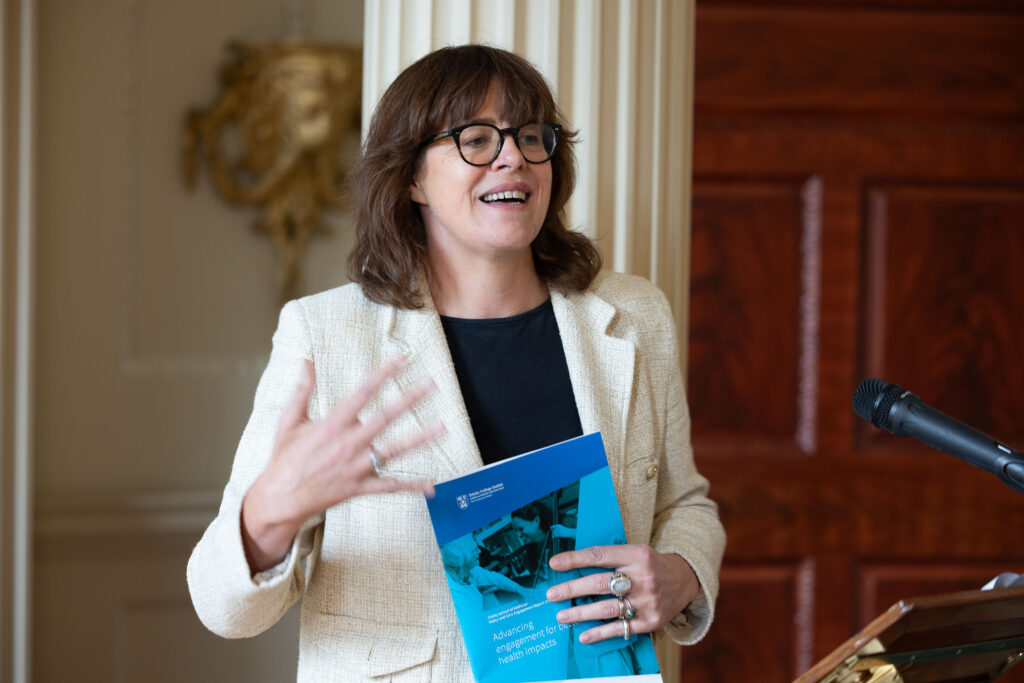
    Furthermore, the Evaluation team has been strengthened over the last number of months, including the recent addition of Professor Sara Burke (right), who has joined as an expert to Evaluation panel, focusing on the health and social care system work package.


    Analysis of submissions covering the work and response of Government Departments and agencies continues. This has included drilling down into key processes and outputs across policy areas, to understand decision making approaches and initiatives pursued, including potential lessons for future crisis management.  A factual account of the management of the pandemic response will feature as a core part of the final report.

    The Evaluation panel has also been increasing its focus on international insights and comparisons, including research and initiating  engagement with international experts and organisations.  

    What’s to come in 2026?

    The Evaluation has a busy schedule of numerous engagements, a workshop, and roundtable in the first quarter of 2026.

    This will commence in early January 2026, with the launch of a dedicated consultation on the response to COVID-19 in long-term residential care facilities for older persons.

    Analysis of the public consultation will be completed and published. 

    In Spring, a roundtable event with national and international experts focused on health and wider decision-making approaches will take place.  This will be followed by private sessions with officials responsible for supporting the management of the pandemic response and in due course  private sessions with key decision makers will be held.

  • Economic Roundtable with Stakeholders.

    Independent COVID-19 Evaluation Economic Roundtable hears from Stakeholders and Experts – 10 November 2025

    Independent COVID-19 Roundtable Event with Stakeholder Organisations

    View full exploratory session, which includes:

    • Discussion with stakeholder organisations on how the pandemic, and the measures taken to manage and mitigate it, impacted their members, employees and industries.
    • Further information and list of attendees available here.

    Independent COVID-19 Roundtable Event with Economic Experts/Researchers

    View extracts from exploratory session, which includes:

    • Discussion on the wider economic approach taken by Government in light of the actual and/or anticipated impacts of the pandemic.
    • Further information and list of attendees available here.
  • July 2025 Update

    July 2025 Update

    Overview

    The independent COVID-19 Evaluation is carrying out a robust assessment of the pandemic response. The Evaluation has adopted an iterative, flexible and evidence-led approach. It is using a combination of methods and inputs to direct its approach within the scope of its Terms of Reference.

    This paper provides an update on initial work by the COVID-19 Evaluation, since its establishment earlier this year. This includes wide-ranging public consultation; a roundtable event with stakeholders; an insights workshop on long-term residential care; and initial overview submissions requested from Government Departments and agencies. This paper also outlines areas for which preparatory work has been undertaken, including consultation with children & young people, and additional consultation on long-term residential care facilities for older persons.  Further roundtables, workshops and sessions with experts and/or stakeholders will take place over the course of the COVID-19 Evaluation’s work. These elements will delve into specific aspects aligned to the Evaluation’s Terms of Reference. They are likely to focus on areas such as economics or sectoral impacts; the health system; and decision-making processes during crises.

    Aligned with its multi-pronged, funnel approach in evidence gathering, the Evaluation has requested high-level information initially with a view to moving to more specific key areas of focus. Information gathering will identify themes, patterns and trends, highlight issues, and inform conclusions and lessons.  Evidence will draw on the public consultation and publicly available information, research and reports, along with direct requests for specific information; surveys; private sessions with decision-makers; and meetings, discussions and workshops with stakeholders and experts.

    With a future focus, the Evaluation’s key aim is to establish what worked; what didn’t; gaps in the overall approach; and lessons learned. There will be a strong emphasis on decision making, including attaching inputs, process, outputs, and outcomes.

    The Evaluation panel have held 3 formal meetings to date, covering a range of aspects such as work packages, Government Department Submissions, and public consultation and engagement.

    Work packages broadly incorporate:

    • The overall strategy and approach to planning for the handling of the pandemic in Ireland and the Government’s response to managing and mitigating risks.
    • Identifying lessons learned regarding: the overall performance of the health and social care systems; immediate and longer-term societal impacts including on individuals, families and communities; and economic and sectoral policy objectives, incorporating business and personal financial supports.
    • A specific module of work to examine the response to COVID-19 in long-term residential care facilities for older people, including an overall assessment of learnings.
    • In the context of whole-of-society responses to rapidly moving threats, recommendations on guiding principles and processes which can strengthen decision-making and transparency; assist in assessing and balancing the complexity of potential trade-offs; and provide a framework to ensure democratic processes and civil rights are safeguarded.

    Progress across the various work streams

    Initial findings from the public consultation

    The COVID-19 Evaluation is carrying out broad and multifaceted consultation to give the public and stakeholder groups opportunities to share their inputs and lived experiences, to cover as wide an audience as possible.  The general public consultation involved a wide-ranging public survey and a mirror user-friendly survey; individual/ personal submissions, where the submitter can share their lived experiences in their own words; and submissions from stakeholder organisations (closing date is the 5th of September). Academics/ researchers can also share their published research with the Evaluation.

    The public consultation survey to capture wide-spread accounts of personal lived experiences closed on 14 July 2025. Over 7,000 survey responses were received.  Analysis of key themes, patterns and insights from the survey has commenced. A high-level overview of this analysis will be shared in the coming months.

    Initial survey findings (partial examination of early tranche of responses):

    • High levels of negative impacts are emerging, in preliminary findings, across education & development; civil liberties, human rights & trust; and mental health. Those who reported difficulty in making ends meet reported considerably wider negative impacts across many dimensions. Early findings also suggest mental health strains overall were most concerned with issues such as COVID-19 exposure and loneliness or isolation.
    • Education, particularly social development, is presenting as a significant issue for parents/guardians in the initial analysis. Students are highlighting challenges around meaningful engagement with peers and extracurricular activities.

    Roundtable event with stakeholder organisations

    A roundtable event with stakeholder organisations and Evaluation Panel Members took place on the 24 June 2025. In the context of the preliminary analysis of the initial survey findings, the event looked at the areas of education & development; mental health; disadvantaged/ marginalised groups; community outreach and life stages; and carers and workers. It focussed on the key impacts on specific groups and policy areas, the effectiveness of targeted mitigating supports and outreach, and potential lessons for the future.

    This societal-focused roundtable discussion highlighted:

    • How the pandemic exposed pre-existing inequalities. Life trajectories were disrupted and people’s circumstances governed how deeply they were impacted. This is the context in which balancing differing risks needs to be managed.
    • The need for sustained investment, against a backdrop of pre-existing gaps and overburdened systems.
    • The State’s reliance on the community and voluntary sector, the resilience of workers, and the value of the forgotten frontline who provide family care.
    • The value of sustained collaboration and co-designing solutions. There was a particular focus on the need to have capacity, infrastructure, networks and datasets in place, which can be quickly scaled and leveraged in times of crisis. This was considered crucial to future proofing lessons learned. 

    For more information and to view the roundtable event, please see relevant section on the COVID-19 Evaluation website.

    Consultation with children and young people

    The independent Evaluation will be separately engaging with children and young people on their experience of the COVID-19 pandemic and the Government’s response.

    The COVID-19 Evaluation carried out initial research on children and young people during the pandemic to identify key themes, including education and development, mental health, relationships and milestone events.

    The Evaluation worked directly with Spunout.ie to carry out a focus group in early July 2025 with children and young people. Feedback from the focus group will inform the design of the survey for people aged 15-25 (i.e. 10 years of age or over at the beginning of the pandemic). The survey will be circulated for responses in the coming months.

    Additional consultation on long-term residential care facilities for older persons

    Work on the standalone module on long-term residential care facilities for older persons has commenced. This included initial analysis of existing research; bilateral meetings between the Chair and Care Champions and also Sage Advocacy; and a subset of the Evaluation Panel holding an initial insights workshop with experts in the field to gather information.

    The purpose of the insights workshop was to gain an initial sense of the research landscape and related work to date, including work carried out for the 2020 Expert Panel Report and subsequent implementation reports. For a flavour of the workshop content, please see the Overview Note of the Insights Workshop at Appendix 1.

    This preliminary work will be built upon by analysis of formal submissions to the Evaluation with a view to engaging in an additional layer of consultation that includes the perspectives of residents and relatives, staff, and nursing home providers / Person in Charge. 

    Planned Approach for Additional Consultation:

    As outlined in the Terms of Reference, the work of the COVID-19 Evaluation includes a specific module relating to the response to COVID-19 in long-term residential care facilities for older persons. This process includes the lived experience of bereaved families. 

    While the COVID-19 Evaluation is approaching its work in an iterative and flexible manner, and therefore certain details below may be subject to change, at this point it is envisaged that this module will include specific written requests for input, by structured means such as a survey tool, from residents and relatives, staff, and providers and Persons in Charge (covering public, private and voluntary facilities). The purpose of this information gathering aspect is to get a holistic, comprehensive and detailed understanding, building on the work of the Covid-19 Nursing Homes Expert Panel, including its implementation progress reports, and other documentation and research analysis.

    In addition, it is proposed that a private group session will be held where those impacted directly by bereavement, who wish to do so, can share their experience with the Chair and members of the Evaluation Panel. This session will be facilitated by an experienced facilitator with a background in psychology trauma/ bereavement support. An overall report drawing on the inputs and content of this session, without attribution or identification, will be compiled by the Evaluation, with support from the facilitator. This high-level report will not provide individual accounts but will bring together lived experiences. This report will in due course be shared privately with all attendees for their personal information. This report will also inform the Evaluation’s final report.   

    It is also planned that there be an option for those who do not wish to be part of a session to provide written input in a template provided by the COVID-19 Evaluation that aligns with the approach and structure of the session and that can be amalgamated with the findings from the session. These responses will similarly inform the Evaluation’s final report.

    To note, the individual submission process as part of the ongoing general public consultation is also a key input opportunity for bereaved families should they prefer a traditional open written submission to capture their lived experience rather than, or in addition to, the private group session or structured/ templated written approach outlined above.

    Requested Overview Submissions from Government Departments and Agencies

    Government Departments and agencies’ initial submissions to the COVID-19 Evaluation constitute a large volume of materials. Detailed written submissions have been provided by 18 Departments and the HSE, incorporating numerous bodies and agencies. In aggregate, this amounts to over five hundred documents running to approximately 4,850 pages of detailed content. The assessment of this information is ongoing, with numerous requests for further specific information sought.

    The submissions offer an account, from an official perspective, of the State’s response to the COVID-19 pandemic, spanning multiple population cohorts and groupings across society and wide-ranging economic sectors. They paint a picture of a comprehensive, multifaceted response that necessitated the rapid introduction of legislative, regulatory, advisory, financial and operational measures to mitigate the impact of the pandemic on society and the economy.

    The submissions reveal the pervasive and multifaceted impact of the COVID-19 pandemic on individuals, families, communities, businesses, services, and on wider society and the economy. They shed light on the differentiated impacts on the health and wellbeing of various cohorts within society, on certain sectors of the economy, and in particular, categories of workers.

    They also reveal much about how the State responded to the pandemic: how issues were identified, how decisions were taken, and what factors informed and influenced those decisions. They reveal the over-riding imperative of public health considerations, and the level of influence that NPHET advice had on government decisions and measures introduced. They also show how the response evolved and changed over time, from the initial emergency response with short-term measures, through to the more medium and longer-term response as the pandemic progressed and the challenges evolved.

    These inputs provide a starting point, which will be built upon with wider evidence by the Evaluation to robustly explore any limitations, gaps or constraints, aspects that did not work, and policy tensions and trade-offs that arose in the State’s response to inform lessons learned.

    The evaluation process will gain deeper insights through more direct probing of the facts, including through private sessions with decision-makers. In particular, it will be instructive to triangulate official accounts contained in these submissions with other important sources, such as evidence from stakeholders and the public, and evidence that emerged in the public domain and published reports and research. This will be further enhanced by interpreting the information through the prism of lived experience, as provided via the Evaluation’s public consultation.

  • Independent COVID-19 Roundtable Event with Stakeholders Organisations, 24 June 2025

    Independent COVID-19 Roundtable Event with Stakeholders Organisations, 27 June 2025

    View full exploratory session, which includes:

    • High-level initial insights from COVID-19 Evaluation public survey findings; and
    • Stakeholder Organisations insights into the diverse societal impacts of the management of the pandemic across education and development, mental health, disadvantaged and marginalised groups, community outreach and life stages, and carers and worker

    Information Note on Stakeholder Societal Roundtable Event June 2025 is available here