Findings from the COVID-19 Evaluation’s general public consultation
We have pubished an overview presentation featuring findings from the public consultation.
We have also published a further detailed analysis paper.
Watch video below featuring Panel Member Dr Nat O’Connor discuss findings from the general public consultation.
In Summer 2025, the independent COVID-19 Evaluation ran a public consultation to give the public and stakeholder groups the opportunity to share their experiences of the COVID-19 pandemic and how it was managed.
This general public consultation involved a wide-ranging long and short survey, individual submissions, and submissions from stakeholder organisations. We also invited and received published research from academics.
While the survey and wider submissions do not necessarily represent the whole population, they represent the views of those who chose to share their experiences with the COVID-19 Evaluation.
The surveys covered numerous quality-of-life aspects to better understand how the pandemic impacted different areas or aspects of people’s lives. It was also designed to understand how different groups of people may have been impacted in different ways.
These inputs have allowed the Evaluation to understand how the pandemic affected people in a variety of ways, and to better appreciate the personal impacts on thousands of people.
Insights from the general public consultation on nursing homes and other healthcare settings have also helped inform an additional consultation on long-term residential care facilities for older people.
Survey highlights
The top 3 areas of concern for respondents during the pandemic were:
- Mental health & wellbeing (47%)
- Relationships, social connections & community (45%)
- Physical health (35%)
(percentages represent the portion of respondents who indicated that dimension was their key area of concern)
Respondents reported the highest proportion of negative impacts on:
- Education and development (from students’ and parents/guardians’ perspectives only – 65% and 61%; respectively.
- Civil liberties, human rights and trust (46%)
- Mental health and wellbeing (44%)
- Work and time use (41%)
- Relationships and connections (40%)
Respondents reported the highest positive impacts on:
- Local area (26%).
When we look at how people’s quality of life was affected by the COVID-19 pandemic, people’s stage of life and personal circumstances made a big difference.
- People who found it difficult to make ends meet reported more negative impacts from the COVID-19 pandemic, including on their relationships and mental health.
- People who had very young children also experienced negative impacts, especially single parents, including on their physical health, work and time use and financial situation.
- Age also made a difference, with younger people feeling considerably impacted across many areas, including mental health, education and development and work and time use.
- Carers and people with a disability also reported negative impacts across areas such as mental health and physical health.
- For certain areas, such as civil liberties, human rights and trust, there were strong differences based on gender.
Highlights from the survey open text responses and individual submissions
People raised concerns about different issues, including:
- Public health not just being about infection numbers but also about protecting mental health and wellbeing.
- Increased burden of care due to school and childcare closures, the closure of disability day services and other supports, and the introduction of cocooning.
- Lost time and missing key milestone events, including school graduations, weddings and funerals.
- Societal change and division, including concerns around socially enforced compliance.
- Impacts on healthcare, including delayed diagnoses and treatments.
- COVID-19 healthcare, including vaccines, testing and self-isolation.
- Visiting restrictions in nursing homes, hospitals and maternity hospitals, including the isolation patients felt, the grief people experienced from losing a loved one, and how restrictions negatively affected how people grieved.
- The impacts of school closures on education and the role schools play in protecting and supporting children.
- Developmental and social impacts on babies, children and young people, from missed developmental checks to transitioning from primary to secondary school.
- Risks and challenges for frontline workers, including increased workloads, stress and trauma and a lack of recognition of their work post-pandemic.
- Communications, information, digital engagement and media coverage.
- The extent, design and length of restrictions, and their impact on people’s civil liberties and human rights and trust in Government.
More detail across different areas
Respondents had very mixed experiences across relationships, social connections and their community.
The pandemic had different impacts on respondents’ relationships depending on peoples personal circumstances, for example – if they had caring duties, their age, if they lived alone, if they had lost a loved one, or were a new parent, a separated parent or a grandparent. Some felt they had missed out on key years of their life and big life events, such as their graduation, wedding or a funeral for a loved one.
Some praised the sense of community which came out during COVID-19, while others believed that restrictions caused more conflict and division in society.
Respondents made clear that public health is not just about infection numbers, but also about people’s mental health and wellbeing.
Respondents shared how their mental health was impacted by the pandemic, including the impacts of cocooning on older people, school closures on children and young people; and increased care burden and the withdrawal of supports impacting parent/guardians, carers, new or expectant mothers, and people personally relying on supports, such as those with disabilities.
Many cited the relentless coverage and official communications, such as daily COVID-19 case numbers, as impacting their wellbeing while others felt that mental health supports and services did not meet people’s additional needs during the pandemic.
Respondents’ experiences on general physical health were mixed.
Some had more time to exercise and eat healthier, while others found it hard to exercise as sport facilities were closed, or ate more unhealthily or drank more alcohol. Some older people did less physical activity due to cocooning, reducing their mobility.
‘High-risk’ respondents felt safer and their health improved due to restrictions. However, they noted that they had to change their lives to protect their health, including some retiring, isolating from their families, or having their whole family cocoon.
Healthcare and nursing homes
Respondents described the challenges staff experienced during the pandemic, including keeping up with changing guidelines, early difficulties accessing PPE and COVID-19 tests, understaffing due to COVID-19 outbreaks, and tough working conditions.
Family members described the heartbreak they experienced due to visiting restrictions in nursing homes and hospitals during the pandemic. Many respondents described their loved ones’ distress. They outlined the impacts the extended isolation had on their loved ones and the challenges they experienced in receiving timely information from staff. Respondents shared harrowing accounts of losing loved ones in nursing homes and hospitals. Many residents and patients died alone, and some respondents described how they were not allowed to be with their loved ones in their final moments.
Experiences of housing and local area depended on people’s personal situations.
Some people enjoyed doing up their homes and spending time in their garden. Others described difficult living situations, most often caused by a lack of space or adult children moving home. In towns and cities, respondents did not always have access to green spaces, and parks were often busy. In rural areas, some found it difficult to exercise in safe spaces due to kilometre restrictions.
On digital engagement, many increased their screen time during the pandemic, including children. People used digital devices to stay in touch with loved ones. Some older people used digital devices for the first time, others learned new skills to work from home.
Parents, teachers and students shared their views on school closures, the return to school and the impact of restrictions on children and young people’s development.
Respondents were divided over whether schools should have closed and the length of time they were closed. Many felt that schools were closed for too long, and that the impact of closures on children’s education, social development and mental health was not fully considered.
Teachers detailed how they were not prepared for online learning, and parents described a lack of guidance and support from schools. Teachers also noted a rise in student absences since the pandemic. Respondents also described the stress they or their child experienced in exam years due to delays in decision-making.
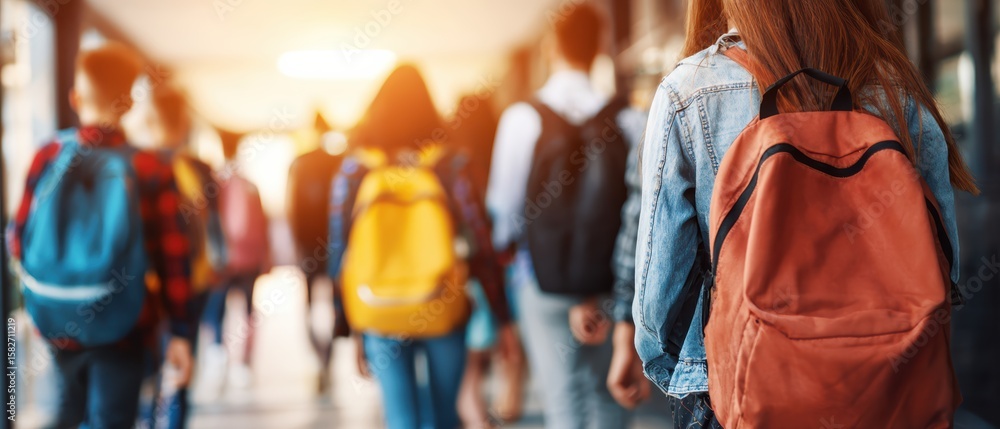
People had different experiences on changes to their work and how they spent their time during the pandemic.
Many respondents welcomed the introduction of remote working. They felt it improved their work-life balance and disagreed with the move back to the office after the pandemic. Many people enjoyed the slower pace of life during the pandemic. However, frontline workers described how stress and their workload increased during the pandemic. Healthcare workers described very difficult working conditions.
People also had different experiences on the impact of the pandemic on their financial situation.
Some people saved more money during the pandemic as they could not attend social events, moved out of cities or did not have to commute to work. However, others found it difficult to find work and noted that the cost-of-living increased during and after the pandemic and remains high. The Pandemic Unemployment Payment and business supports helped to protect some respondents from financial difficulties.
On civil liberties, human rights and trust, respondents were very divided on COVID-19 restrictions.
Some people agreed with the pandemic response. They believed that restrictions saved lives and the Government acted on the best available evidence at the time.
Others did not agree with restrictions. They felt that they went against their constitutional rights and that their freedoms were taken away. Others felt that those who did not agree with the approach were silenced by the media or felt forced to get vaccines. Misinformation and disinformation issues were also highlighted.
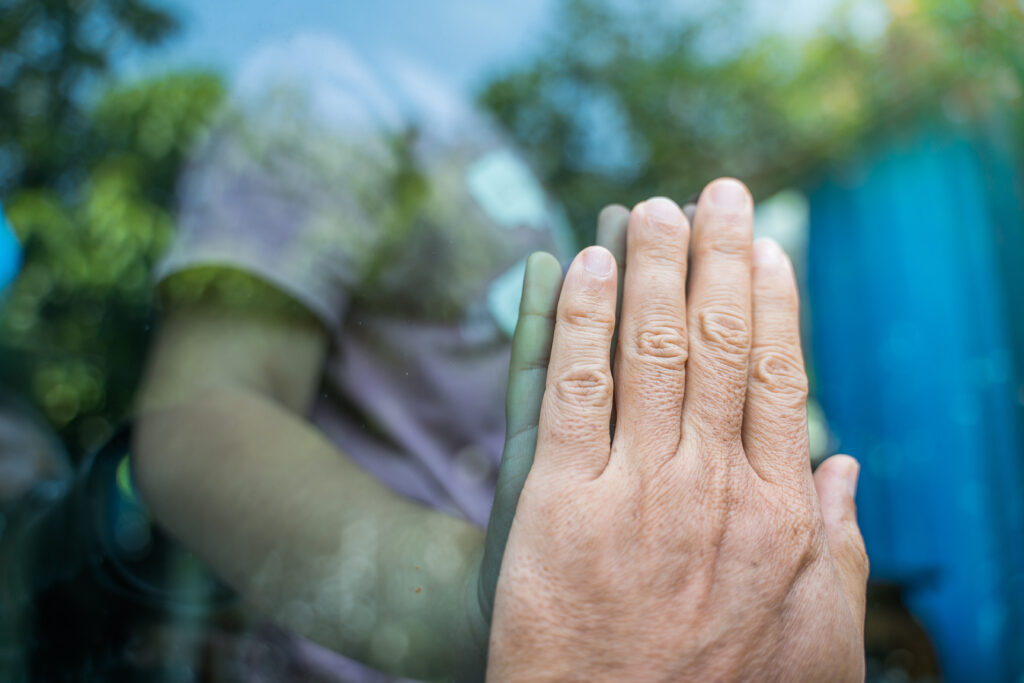
Respondents criticised certain restrictions including the 2km/5km restrictions, the lifting of restrictions during Christmas 2020, visiting restrictions in health and care sector, and cocooning, which they believed caused older people to become more isolated, fearful and less active.
People felt they lost trust in the Government and democracy. For some this was due to officials not following restrictions, for others it was due to NPHET’s power or they did not believe the pandemic was real. Many respondents noted that they would not follow restrictions if a similar crisis took place in the future.
Consultation findings
An overview presentation of the public consultation findings is available.
A further detailed analysis paper is available.
Members of the Evaluation team would like to thank all individuals and organisations who answered the survey or wrote a submission. These contributions are essential inputs into the work of the Evaluation.
A detailed overview paper that provides more comprehensive content of people’s personal experiences and perspectives will shortly be available on the Evaluation’s website.
The COVID-19 Evaluation team has carried out further consultations for children and young people and on long-term residential care facilities for older persons. The results of these consultations will be available in the coming months.
We have also held roundtable events to hear directly from stakeholders and experts in social and economic policy. We have met with many stakeholders, researchers and experts in bilateral meetings. You can watch the societal roundtable and the economic roundtable.