Age & Opportunity

Age & Opportunity Submission to the COVID-19 Evaluation July 2025
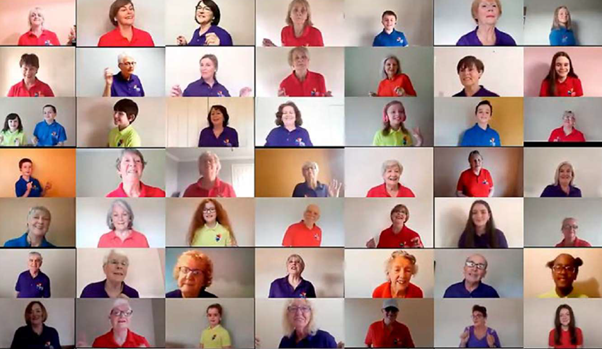
Age & Opportunity strongly welcome this opportunity to share the voice and lived experience of older people to influence policy development and implementation. We highlight how older people were impacted by restrictions, digital poverty, and the ageism inherent in the Government response. We share what we learned through research and evaluation to inform future learnings.
Our response describes how we pivoted our initiatives in 2020 to mitigate the impact of the restrictions on older people and continued to re-imagine programme delivery and develop new initiatives throughout 2021, ensuring that we were as responsive as possible to the various challenges that Covid-19 presented and continues to present.
In this submission we make a number of key recommendations and re-iterate our call for an Independent Commissioner for Ageing and Older People. This would help to ensure that Ireland’s various policy commitments relevant to older people are meaningfully monitored and that older people are treated with respect and on an equal basis with the rest of the population.
Throughout the document we have provided hyperlinks to the full publications informing our submission. You will read that during the pandemic each of the Age & Opportunity programmes – Active, Arts and Engage – developed online resources for people to access from their homes. These are all available on the Age & Opportunity YouTube channel and Facebook page.
About Age & Opportunity
Age & Opportunity is the national organisation working to create opportunities that empower older people to enhance individual and community wellbeing through participation in physical activity and recreational sport, arts and creativity, personal development and active citizenship initiatives. One of our key priorities is to amplify the voice of older people and influence policy development through research, evaluation and public engagement. We envision an Ireland where older age is recognised as a time of opportunity and where all older people can be active, visible, creative, connected and confident about ageing.
We work with local communities and organisations across the country to run a range of programmes and activities in three key areas:
Our Active Programme is designed to get us active and to participate more in recreational sport and physical activity.
Our Arts Programme encourages active engagement in arts and cultural activities and initiatives at every level.
Our Engage Programme offers courses and workshops promoting personal development, community collaboration and active citizenship.
Our Active Programme response to Covid-19
Age & Opportunity are funded by Sport Ireland as part of its commitment to increase participation in physical activity and recreational sport among older people. The objectives of our Active Programme are closely aligned with Sport Ireland’s strategy, as well as the National Physical Activity Plan, the National Positive Ageing Strategy, National Sports Policy and Healthy Ireland. Most of our initiatives are ‘out and about’ group based activities and so Covid-19 presented huge challenges for delivery at the time.
Physical Activity Leaders (PALs)
This education and peer leadership initiative trains older people to lead sport and activity sessions in their local groups and communities. Since 2001 approximately 3,000 older people have taken part in this initiative. During the pandemic it was not possible to deliver indoor, in-person workshops due to the risks attached to the impact of Covid-19 on gatherings of older people, but there was still some appetite from some of our PALs and other people to try to engage in outdoor activities, as well as online. In 2021 we managed to deliver outdoor PALs workshops in Kilkenny and Cork.
We also invited our PALs to join us for an online “Get Together” to share ideas and to get feedback on how to continue to engage people in physical activity during the Covid-19 restrictions. As part of the meetings our Engage programme team delivered resilience training to participants. Altogether we hosted three “Get Togethers” on zoom with total of 60 PALs participating. As a result of the meetings we developed a questionnaire, and a guidance document specifically designed for PALs to use with their groups during the Covid-19 lockdowns.
Of all our initiatives, this group based and unique model of peer leadership probably was most negatively impacted by Covid. With so much attrition in group membership and individual confidence of older people a vibrant and thriving community of leaders was decimated and we have had to, in effect, start again from scratch.
CarePALS
CarePALs is a two-day course, adapted from the PALs workshops, which empowers staff in day and residential care settings to lead suitable physical activities with older people who live in or visit their setting. It is based on our original PALs leadership model and means that physical activity sessions can be delivered by staff and included as part of the daily or weekly routine, without cost to the care setting.
Due to national restrictions and the ongoing diffculties that care staff had to endure during the pandemic in 2020 and 2021, it was not possible to deliver CarePALs in person. Following discussions with HSE National Offce for Health and Wellbeing, who fund the initiative, the course was adapted to incorporate 4 two-hour online training sessions. 138 care staff took part in a total of 13 courses delivered in 2021.
A pilot of our Engage programme’s Changing Gears course on resilience was offered to those who had taken part in CarePALs in the past. This course was aimed at supporting them in managing the extra pressures and challenges of Covid-19.
Go for Life Games
Prior to the pandemic, we held an annual National Go for Life Games event to which every county sent a team of 12 people to compete in a friendly blitz. It was not possible to host the Games in 2020 or 2021 due to Covid-19 restrictions on group activity. Instead, an adaptation of the Games activities was developed so that people could take part in a “Go for Life Games At Home” initiative. This is another area where the pandemic has had a lasting impact. Greater resources are needed to re-ignite what was previously a vibrant nationwide celebration of physical activity for older people.
In response to the devastating consequences for our initiatives and for older people and in order to support other organisations involved in the provision of physical activity programmes for older people we brought together a group of stakeholders in June 2020 to develop a guidance resource to encourage people to return to sport and physical activity.
This aimed to inform, encourage, build confidence and in particular reassure older people as they returned to a more active lifestyle, in accordance with the public health guidelines and the recommendations of each sporting body or organisation.
The Guidelines were published on our website and can be viewed here.
National Grant Scheme
2020 was the 20th year of our National Grant Scheme, which provides funding to groups of older people to support them in their work and commitment to get more older people more active. Local Sports Partnerships, HSE Coordinators and other local agencies work closely with the groups when they are applying for funding giving assistance and advice to applicants. Applicants were encouraged to apply for more outdoor or online activities in the 2020 grant so that their groups could still have access to opportunities for keeping active while group activities were on hold due to Covid-19. 711 grants were allocated and the grant launch took place online in December 2020.
We did not run the Active National Grant Scheme in 2021 because, due to sustained restrictions on people coming together, groups who received grants in 2019 and 2020 could not spend the funding. As a result, the 2021 Grant funding application process was rescheduled to February 2022 when it was offered as a specific one-off grant aimed at sports clubs and nursing homes, who were severely impacted by Covid-19.
FitLine
FitLine, our free telephone-based motivation line supported by volunteer mentors, encourages older people to become and remain more active through one-on-one phone support, with a schedule tailored to their own needs and agreed goals. During 2020 volunteer mentors were unable to come together to make calls from their respective centres but some of them continued to make calls to participants from home. They reported that participants were particularly grateful for the calls during the Covid-19 pandemic as they were feeling more isolated with the lockdown restrictions in place. FitLine is particularly relevant to older people who do not have internet access, as the only resource they need to participate in the initiative is a telephone.
At the end of 2020, we applied for funding through Sport Ireland and the Healthy Ireland Keep Well campaign to expand FitLine in 2021. With this funding it was possible to extend the reach of FitLine nationally, by recruiting additional staff, training more volunteer mentors and developing a campaign to attract these very hard to reach participants nationwide.
Online Activities
During 2020 a series of online activities were developed and offered through Age & Opportunity’s YouTube and social media channels. Our Active programme pivoted quickly as Covid-19 restrictions were implemented and began delivering Movement Minutes – live physical activity sessions on Facebook three days a week in March 2020. This initiative included a variety of online activities including videos based on strength, balance, mobility and aerobic movements. Tai Chi, seated Pilates, Salsa, nature walk videos and our Go for Life games. Movement Minutes proved to be very popular and contributed to encouraging older people to stay connected and active during the lockdowns of 2020 and 2021.
Offline Resources
With the impact of Covid-19 we were very conscious that not all older people have access to the internet and online offerings. Our Active programme developed a Steady Sevens booklet and accompanying video to be used by those needing help with mobility and falls prevention in particular. This resource and the already existing fact sheets on balance, strength and posture were and continue to be sent out to older people when requested through our own communication channels but also through our partners and local community support groups.
Covid-19 Stakeholder Group
In response to the devastating consequences for our initiatives and for older people and in order to support other organisations involved in the provision of physical activity programmes for older people we brought together a group of stakeholders in June 2020 to develop a guidance resource to encourage people to return to sport and physical activity. The group included representatives of organisations like the Local Sports Partnerships, National Governing Bodies, older people’s groups, government departments and more.
This aimed to inform, encourage, build confidence and in particular reassure older people as they returned to a more active lifestyle, in accordance with the public health guidelines and the recommendations of each sporting body or organisation.
The Guidelines were disseminated in August 2020, to all Local Sports Partnerships, National Governing Bodies and Ireland Active. The were also published on our website and can be viewed here. The second target of this group was to produce a report showing the impact of Covid-19 on older people’s groups. A survey was sent out in September to our Active National Grant Scheme grantee applicants, to gauge the impact of Covid-19 on their group’s activities.
Following the survey, we commissioned a series of four focus groups to provide a deeper dive into the issues faced and further explore the impact of Covid-19 on physical activity within these groups. These online focus groups were facilitated by Amárach Research. The report “Locked Up, Locked In, Locked Out! The impact of Covid-19 on physical activity in older people’s groups” was launched in early 2021 and disseminated to policy makers and stakeholders with relevant recommendations highlighted for their consideration.
Partnerships with other organisations
From mid-March 2020 it was not possible to run in-person initiatives but we continued to engage with other organisations on what was possible and we developed new ideas to help support older people to stay active and engaged.
Our Active programme continued with the partnership with Trinity College Dublin’s IDS TILDA developing an add-on programme to PPALs 1, our initiative enabling people with intellectual disability to become Physical Activity Leaders. Including an Ageing with Confidence element, PPALs 2 was adapted to an online delivery from March 2020. The course was delivered with the support of the Brothers of Charity in Roscommon.
As part of Men’s Health Week in 2020 we partnered with Men’s Sheds to deliver a games session via zoom. We will continue to engage with Men’s Sheds to promote physical activity with its members. During 2021 we worked with the FAI on promoting and developing walking football among older people particularly older men. With the support of Kildare Sports Partnership, a pilot programme for walking football with Naas Men’s Sheds took place in September 2021 and this initiative has been growing apace since.
In 2021 we teamed up with Ireland Active and CARA to develop and deliver an Active Age Programme aimed at staff of gym and leisure centres to encourage them to put programmes in place in their facilities, that are suitable and accessible to older people returning to physical activity after lockdown. The initiative was funded by the Keep Well Campaign.
We also delivered three training workshops to fitness professionals across the country. In total, 45 fitness professionals took part in the training, which equipped them with the theoretical knowledge and skills to work more effectively with older people within their own leisure settings. As a result of the training they ran a 10-week “Active Aging” programme within their facilities to promote and encourage older people to engage with their local centers as part of the recovery from the pandemic.
Also, in 2021 we developed an online initiative that was delivered to family carers, in collaboration with Family Carers Ireland. The initiative ‘Actively Changing Gears’ offered a combination of resilience and physical activity training. A total of 36 family carers took part.
European Week of Sport
This Europe wide event takes place each September and it encourages everyone across Europe to become more active and involved in sport. Each year we place a strong emphasis on engaging with the National Governing Bodies for Sport and with local activity providers as part of the #BEACTIVE campaign for EWOS. The week was scheduled to take place from 23rd September to 30th September 2020.
Due to the lockdown restrictions in place at the time, we had to scale our EWOS events back from 13 to 7. Virtually we hosted Tai Chi (30 live participants), Yoga (x2) (50 live participants) and our Go for Life Games online (27 live participants) on our Facebook page and Zoom. Several more people watched these events back and joined in afterwards. Outdoor events included Archery & Clay Pigeon Shooting with the Clane Men’s Shed in Kildare (12 participants), Kayaking in Killaloe, Co. Clare (10 participants) and a guided Farm Walk in Ballykilcavan, Co. Laois (4 participants). All outdoor activities were carried out in line with Government Covid-19 regulations with all protocols being strictly followed and adhered to.
Collaboration across Europe
Building on our existing relationship with OKRA Sport+ in Belgium and Lunga Avita Attiva in Italy, in 2021 we completed the Euro Games Fest originally planned for June 2020. This Erasmus + Sport project aimed to host a Euro Games Fest, in each of the three countries at the same time on the same day, with participants taking part in three different games, developed by each of the three countries. Cross Boccia game was developed by OKRA Sport+, Swimming Resilience by Lunga Avita Attiva and we nominated the game of Scidils for participants.
Each country hosted the Euro Games Fest in different formats depending on their own Covid-19 national restrictions. Italy managed to run the event in-person with 27 people and they engaged in all three games. Belgium and Ireland ran the event on zoom with 15 and 16 participants respectively. Unfortunately, we could not host the Swimming Resilience game because swimming pools were closed in both Belgium and Ireland at the time. A Euro Games Fest rulebook was produced featuring all three of the games and a webinar was held in December 2020 inviting participants from each of the three countries to meet and chat about their experience of the project.
Our Arts Programme response to Covid-19
Age & Opportunity is Ireland’s leading organisation in developing arts initiatives with and for older people. Through our Arts programme, we support the meaningful participation and representation of all older people in cultural and creative life in Ireland through celebrating the arts as we age. We also aim to underline the importance of the arts to positive ageing and to influence policy and practice in the area.
Specifically, our Arts programme comprises a range of initiatives and events, the biggest one of which is the annual, high profile, and month-long Bealtaine Festival, which takes place in May throughout local communities all around Ireland. We also deliver a comprehensive support programme of initiatives designed to resource and develop the creative ageing sector in Ireland.
We work through resourcing artists, arts participants and arts organisations to engage with us and raise the standard, knowledge-base and visibility of the arts and ageing sector.
Bealtaine Festival
Established in 1995, the Bealtaine Festival is the world’s first national celebration of creativity in older age and Ireland’s largest co-operative festival. The festival takes place each May for the entire month. Through Bealtaine, we bring together older people and artists from all over Ireland and across generations to participate in arts and creative activities.
We have been very successful in establishing Bealtaine as a national festival and it has become a central cultural programme in Irish life. The festival has also been an inspiration for the development of international festivals including Luminate in Scotland, Gwanwyn in Wales, The Age of Creativity in England and ARMAS in Finland.
In March 2020, our scheduled in-person Bealtaine Festival had to be cancelled due to government restrictions arising from Covid-19. In its place and within a few short weeks, we recreated and re-envisioned the festival into two parts; Bealtaine At Home May and Bealtaine At Home October. These two events comprised 27 initiatives across dance, film, discussion, visual arts, workshops, readings, interviews and music, reaching 24,187 people. We also generated new commissions during this time including the theatre production The Windy Lady with Pom Boyd (and in partnership with Axis Ballymun) which transformed into four original short videos released throughout the month, a totally new series of visual arts workshops, as well as translating in-person events to an online format (discussions, Dawn and Dusk Chorus).
As the Covid-19 pandemic continued, in 2021 Bealtaine took place online again as Bealtaine at Home. Despite the diffculties for festival organisers around the country, there were 303 registered national events across all artforms, including a huge presence of Nursing Homes (144) due to the first National Arts in Nursing Homes Day initiative. The in-house festival content was just as diverse with overall 70 events in literature, discussion, music, theatre, visual art and film (as well as workshops). You can access some of the events curated for Bealtaine at Home through the following links.
Celestial waves
https://www.youtube.com/playlist?list=PLfCQ6OkV7hAiT_GgAbGgLTfuPLovZ923d
Intro to drawing at home
https://www.youtube.com/playlist?list=PLfCQ6OkV7hAjvJ9V9XMbp8ZHme9sb01G5
The Windy Lady
https://www.youtube.com/playlist?list=PLfCQ6OkV7hAhm4bxRTdyfPY24u9ETL4Dq
Printing at home
https://www.youtube.com/playlist?list=PLfCQ6OkV7hAiLzaJm7hgbaOd0Lmuj-hz4
Photography
https://www.youtube.com/playlist?list=PLfCQ6OkV7hAi8oKxDwR90eNPQqZRlwrje
Dusk Chorus
https://www.youtube.com/playlist?list=PLfCQ6OkV7hAjMUkAYnrHuehPRFMeQqy5-
Bealtaine Book Club
https://www.youtube.com/playlist?list=PLfCQ6OkV7hAjWZ0BzOyhi9iIsUDkxHHSe
Bealtaine discussion series
https://www.youtube.com/playlist?list=PLfCQ6OkV7hAiYoibwZwAWG0L5E6efcxJ4
Though a steep learning curve in terms of producing online events and reaching new audiences, Bealtaine At Home continued the ambition of its offline counterpart and according to the evaluation conducted after the event, was very well received by its audiences. As usual, the festival scored highly in terms of overall satisfaction (higher during Covid-19 than the previous two years), in how it encouraged people to go to other arts events, feel more visible (crucial at that time), for being more creative and more confident and for using its online format to attract new international audiences. Critically during the time of Covid-19 enforced isolation, Bealtaine At Home also achieved one of our most fundamental aims, helping people to feel more connected.
Artists Residencies in Care Settings
Over the course of 2020 and 2021, in the fifth year of the Artists in Residence in Care (ARCS) initiative and with the support of Creative Ireland, we developed a support structure around ARCS designed to create Care Hubs of Arts Excellence. The Care Hubs of Arts Excellence concept aimed to increase the knowledge and capacity of care settings to programme arts activities and work with professional artists in their settings and localities. The new components added to ARCS included commissioning a study to examine the capacity of social care settings to interact with the arts, and with innovative practices devised to create safe arts interventions in the context of Covid-19; and to show how to embed the arts in the culture of social care settings more generally. Significant new training components were directed at the staff of the care settings and the participating artists. Support work to link up the care settings with the arts infrastructure around them was also a component of the Care Hubs idea. You can read the full ‘Artists Residencies in Care Settings’ study here.
The initiative placed five performing artists across six care settings in Sligo, Donegal, Clare, Kerry, Kildare and Dublin; two sets of artists working in pairs across two care settings and one artist working across two settings. An independent evaluation was conducted and this will inform future iterations.
Cultural Companions Phone Buddy initiative
Our Cultural Companions initiative provides increased opportunities for older people to engage with Ireland’s vibrant arts and cultural scene. It does this by creating local networks of older people interested in the arts and culture who accompany each other to events. In 2020, to address the inability of members to meet due to Covid-19, we devised a new strand to Cultural Companions designed to generate discussion and sociability around the arts by posting art packs to Cultural Companions members and facilitating them to pair up by phone to discuss the content of the packs. This initiative continued during the Covid-19 restrictions of 2021.
Arts Toolkit for Care Homes
In 2020 we devised and published a bespoke and interactive arts ‘toolkit’ for care homes designed to provide a one stop shop information and inspiration resource for care homes interested in the arts and creativity. The publication includes links to specially commissioned artist’s workshop videos directed at care settings.
National Day of Arts in Care Settings initiative
In 2021 we developed a new initiative to promote the active participation of care homes in a ‘National Day of Arts’ during May (Bealtaine month). The aim of the initiative is to stimulate and encourage care settings to value and engage more with the arts so that artistic engagement is more commonplace in those settings. 144 care settings participated in 2021 and this initiative, now known as National Arts in Nursing Homes Day, continues to take place each year.
Sustaining your Practice
In 2020, with artists – and particularly older artists – getting to grips with information technology, we developed a visual arts online workshop as part of the series’ Sustaining your Practice’. This work was carried out with Visual Artists Ireland and the Royal Hibernian Academy and was designed to support artists to build or maintain a dynamic online profile.
Our Engage Programme response to Covid-19
Age & Opportunity Engage is a programme which offers a range of learning initiatives, courses and workshops for our own personal development as well as opportunities for us to play an active role in our community. Our aim is to facilitate participants to develop resilience, build the skills, know-how and the foresight to achieve the best quality of life.
Personal Resilience
In response to Covid-19 we developed a 5-part series of videos to promote resilience; they focused on what all of us can do in our daily lives to promote our sense of wellbeing and self-care. You can view the videos here.
During 2021 we delivered a four session course facilitated personal reflection on the experience of Covid-19, encouraging participants to identify assets and resources for dealing with challenges in their lives. Outcomes include a greater sense of confidence and connectedness and a heightened awareness of personal competencies and external supports.
In 2022, three Personal Resilience courses were delivered through Older Voices Kildare (OVK), a social inclusion initiative working to build the confidence and capacity of older people living in Co. Kildare. The Engage programme responded successfully to a tender from OVK seeking a supportive initiative for their target audience.
Our Engage team also designed and delivered an input on Resilience to participants from our Active Programme’s Walking Football Initiative in 2022.
Art Making at Home
This initiative grew out of an early Covid-19 response to encourage people to create art and have fun using common items around the home during the lockdown via six pre-recorded YouTube videos curated collaboratively with artists and Age & Opportunity. The videos were posted on the Age & Opportunity website as an accessible resource open to anyone. The videos inspired the development of an interactive format to engage older people in live workshop activity facilitated through Zoom videoconferencing. Pilot participants were recruited through the Cultural Companions programme and other networks. 17 participants from across the country were identified for the pilot programme and were recruited from across the country 10 out of 17 attended 8 pilot sessions. All participants were aged 50+. An extensive waiting list of 40 older people remained in place for a larger Phase 2 roll out which followed the pilot. Phase 2 did not include live facilitation but included the same instruction
from pre-recorded YouTube videos and the same art kit materials provided via the postal service. We commissioned an independent ‘Most Significant Change’ evaluation for this initiative which highlighted the value of this kind of work and the importance of finding cost effective ways to sustain it in the future. You can read the full evaluation here.
Changing Gears – promoting resilience in later life
During 2019 we successfully applied to the Sláintecare Integration Fund to deliver Changing Gears as a resource for older persons living with serious health conditions. Our objective was to facilitate participants in managing their health and increasing their sense of wellbeing. The initiative was originally targeted at people living with chronic health conditions in North Dublin but instead was delivered as an online course when the Covid-19 lockdown occurred in 2020. Participants were recruited across the country, using Age & Opportunity’s existing contact lists, social media, personal contacts, parish newsletters and other channels. The course material was adapted for online-only delivery but unfortunately it became apparent that some of the persons who had signed up for Changing Gears did not have the facility to participate in an online course. This lack of facility was caused by lack of devices, lack of skill and sometimes a sense of anxiety about using new technology.
Sláintecare gave us permission to extend the catchment area to the whole country and we recruited participants who could engage online. We re-commenced facilitating Changing Gears from October to December and continued delivery during January to March 2021. We commissioned an independent evaluation of this initiative which found that participants increased their confidence in their ability to cope with changes in the future and also in their ability to maintain or build social contact in the future. You can read the full evaluation of Changing Gears here.
However, we also learned that a significant number of older persons lack the capacity to participate online. This was a catalyst for Digital Discussions, a peer research project exploring digital poverty.
Digital Discussions
Delivering our initiatives online during the pandemic highlighted for us the issue of digital poverty among older persons. Digital poverty refers to a number of causes; for some older persons it is caused by a lack of suitable devices like a smart phone or tablet/laptop which may be due to lack of finances. For others it may be due to poor broadband infrastructure where they live and for many older persons it is due to a lack of skill and familiarity with using online tools.
We applied successfully to the Comic Relief fund at The Community Foundation for Ireland for funding to carry out a piece of peer led research on “Exploring the challenges of digital inclusion among older persons” in 5 counties in partnership with Age Friendly Ireland. You can read the full research report here.
Actively Changing Gears
One of the impacts of the pandemic was the closure, or reduction in provision, of day care and respite services for persons living with disabilities and persons with other care needs, thereby increasing pressure on carers. In partnership with Family Carers Ireland, and funded by Sport Ireland through the Covid-19 Grant Scheme, we delivered an adapted version of our Changing Gears course combined with a physical activity session to carers, as a way to alleviate some of the additional stress.
Ageing with Confidence for Intellectual Disability
In 2019 we received funding from the Community Foundation for Ireland to develop a specific Ageing with Confidence initiative for persons with Intellectual Disability. The course was developed in partnership with people with intellectual disability and the Centre for Ageing and Intellectual Disability at Trinity College Dublin (TCAID) and we delivered it throughout September 2020 to the participants in the PPALs (Persons with Intellectual Disability Physical Activity Leaders) EIT-Health funded programme. Covid-19 restrictions meant we delivered the workshops online, liaising carefully with local centres to overcome the challenges online participation presented for some of the participants.
Azure
Age & Opportunity was one of the founder members of the Azure Network, in partnership with the Irish Museum of Modern Art (IMMA), the Alzheimer Society of Ireland (ASI) and the Butler Gallery. We partner with galleries and museums to facilitate and optimise access and experience for people living with dementia and their families. The training is based on the methodology developed by the Museum of Modern Art (MoMA) in New York City for their “Meet Me at MoMA” programme.
Azure tours give persons living with dementia, and those close to them, the opportunity to participate in dementia-inclusive art-viewing tours. These were reimagined as online tours in response to Covid-19 restrictions.
During 2020 Creative Ireland made funding available to allow us to facilitate two training courses so that we increased the number of arts facilitators with the skills to deliver online tours to persons living with dementia.
The funding from Creative Ireland allowed us to double the number of participating arts institutions.
Art, Literature and Spirituality
This initiative, delivered over four to six sessions, invites participants to explore the meaning of spirituality from the perspective of their life experience. Using art, music, poetry and story, it examines spirituality as the search for meaning; a way of living; a source of wonder; a sense of connection with something bigger than the self; and ‘something, for the sake of which, it is worthwhile to live on earth’ (Nietzsche). Building on the success of the pilot initiative in 2019 we delivered an online version during Covid-19 restrictions.
Age & Opportunity Strategic Plan 2021-2024
In 2021 we engaged in a ‘Strategy refresh’ process, whereby we took our Strategic Plan 2018-2020, which continued to be highly relevant, examined it through a Covid-19 lens, and determined what aspects of it should be updated or ‘refreshed’. We ensured throughout this process that we listened carefully to the voices of older people and our programme participants. We paid particular attention to how we can best support and enable older people to continue their engagement with and valuable contribution to society, throughout and beyond the lifetime of the pandemic. You can read Age & Opportunity’s Strategic Plan 2021-2024 here.
Public Policy and Practice Recommendations
Age & Opportunity’s Policy, Research and Evaluation work underpins and supports our Arts, Active and Engage programmes and amplifies the learnings from our programme delivery, evaluation and research to influence public policy in relation to older people. Below is a summary of the policy initiatives and recommendations directly related to Covid-19 which stem from the research and evaluation activities described above and which we shared in various submissions to Government and stakeholders during and after the pandemic. These insights also influence Age & Opportunity’s eleven policy position papers which can be accessed here.
Mind your Language
In response to the widespread messaging from government and media which, while well intentioned, was reinforcing stereotypes of older people as uniformly frail and vulnerable, in early 2020 we developed a short guide aiming to encourage the use of language that is precise, accurate and non-judgemental in conversations with and about older persons. You can read the guide here.
Telling it like it is
Age & Opportunity is a member of the Alliance of Age Sector NGOs (AASNGO, the Alliance), a collective of seven significant NGOs working in the age sector. The other member organisations are: Active Retirement Ireland, ALONE, The Alzheimer Society of Ireland, Irish Hospice Foundation, The Irish Senior Citizens Parliament and Third Age.
The Alliance aims to effect positive change for older people by uniting our learning from working with the diversity of older people and the issues that they face. The Alliance’s first publication, ‘Telling It Like It Is’, is a frank and unfiltered account of older people’s experience in Ireland during Covid-19, as told to the staff and volunteers of the seven organisations. It describes what older people told us about their experience of Covid-19, and what Ireland should do about it.
‘Alliance member organisations have a direct line to a broad diversity of older people living in Ireland. We listened to them throughout the pandemic. Many expressed gratitude for the protection measures that were put in place, and for the support and consideration that many communities excelled at. But they also voiced frustration, anger, worry and concern about the unintended or unforeseen consequences of the protection measures. As lockdown followed lockdown, it turned out that, for many older people, and despite their resilience, the side-effects of Covid-19 – loss of confidence and capacity, loneliness, isolation, anxiety, depression – were and are as harmful as the disease, and perhaps more so. From what older people told us, it also became clear that the pandemic set free the ageism that, equality legislation notwithstanding, is endemic in Ireland. We would suggest that if ageism had not been so prevalent, the effects of the of Government response which would inform future planning and service delivery across a range of entities: Government Departments, national and local statutory agencies as well as the community, voluntary and private sectors. pandemic on older people would have been less severe. The experience of older people, as set out in “Telling It Like It Is”, has clear implications for future policy and practice in Ireland. The voice and lived experience of older people needs to be heard by those responsible for policy development and implementation. We call on decision-makers to listen and use these reflections to inform Ireland’s recovery process. Creating an Ireland that values older people, warrants a whole Covid-19 demonstrated that older people themselves, as well as the community and voluntary sector, are needed as critical partners for Building Back Better.’ You can read the full report here. In 2022, we followed up this first report with a second Telling it Like it Is – focussed on Combatting Ageism – which you can read here.
Oppose negative prejudice and discrimination informed by ageism
‘‘You don’t lose your brain when you are 70. If you classed any other group of people as vulnerable, and told them what to do, people would be enraged.’’ (Age & Opportunity participant ‘Is Ageism ever Acceptable’ IHREC funded Citizens Assemblies, June 2021.) Confronting age prejudice and discrimination is difficult because it is so ingrained in our society. Covid-19, however, made ageism more visible and obvious with the rights and freedoms of older persons curtailed by application of an arbitrary chronological age. Participants in our ‘Citizen’s Assemblies’ saw ageism as the background to, and driver of the attitudes and restrictions applied to older people by both Government and the population at large during the pandemic. Prevented from volunteering or playing any kind of active role, they saw their exclusion as proof that they and their contribution were considered expendable.
There are many national policy frameworks already in existence with commitments to mitigate ageism and discrimination – all underpinned by a National Positive Ageing Strategy published in 2013. However, delay in implementation of policy relating to older persons has been an ongoing feature which we, along with our colleagues in the Alliance of Age Sector NGOs, have highlighted and challenged. We believe that this implementation deficit is a manifestation of institutional ageism and compounded the hardship endured by older people during the pandemic.
In 2023 we worked with our colleagues in the Alliance of Age Sector NGOs to audit policy commitments relevant to positive ageing in Ireland across 17 priority areas. This spotlighting exercise, Taking Stock, was reviewed in 2024 and will be reviewed annually by the Alliance members. It is a call to action to Government to work on a cross Departmental basis to improve the delivery of programmes, services and supports for older people. This should include allocation of specific responsibilities to government departments with such responsibilities underpinned by clear deliverables, timelines and performance indicators and Specified funding allocation tethered to each strategic outcome.
Age & Opportunity took every opportunity to highlight the prevalence of ageism during and post Covid-19 restrictions. We welcomed the For Equality in Ageing national awareness campaign coordinated by the Irish Human Rights and Equality Commission which aims to challenge societal and individual attitudes towards older people in Ireland. We were pleased to be part of the consultative group contributing to the development of the campaign throughout 2024 and recommend that Government implement and resource the three strategies to reduce ageism that the World Health Organisation’s Global Report on Ageism (2021) have identified as most effective: policy and law, educational activities and intergenerational contact interventions.
Independent Commissioner for Ageing and Older People
Age & Opportunity and the Alliance have called for the establishment of an Independent Commissioner for Ageing and Older People with a mandate to safeguard and protect the interests and well-being of older persons and facilitate the long-term, cross-government planning needed for a growing ageing population. This new public office would be a key asset for Government, helping its departments and agencies to integrate ageing issues into all relevant policy fields and to effect strong implementation and good value for money.
As an independent champion, relevant priorities for action for a Commissioner for Ageing and Older Persons would include:
– Advising Government on matters concerning older persons, including by reference to international best practice.
– Reviewing and overseeing the adequacy of legislation, policy formation and future planning which is informed by the voice and lived experience of older persons in Ireland.
– Holding Government and public bodies to account by monitoring policy implementation and practice.
– Creating a positive ageing experience by promoting healthy ageing, combatting ageism and challenging age discrimination.
– Age & Opportunity along with our colleagues in the Alliance, would be pleased to work collaboratively with Government and Oireachtas members to support the work of this office.
Rights & Duty
In 2023 Age & Opportunity commissioned research to carry out an older person led study about older persons’ perceptions of themselves as rights holders and how their rights are compromised by ageism. This study entitled ‘Rights and Duty’ found that many older people resented being singled out for ‘cocooning’ based solely on age which is a protected characteristic under our equality legislation. There was also poor awareness among older people of the Public Sector Human Rights and Equality Duty which requires public bodies to have regard to the need to eliminate discrimination, promote equality of opportunity and protect the human rights of all public sector staff and service users. AGE Platform Europe argue that a United Nations Convention on the Rights of Older Persons would ‘improve older persons’ awareness of their rights, empower them as rights holders, and help fight internalised ageist stereotypes that sometimes impede them from reporting rights violations.’ We recommend that Ireland support the call for such a convention.
Meaningful Participation & Civic Engagement at all stages of older age
Covid-19 highlighted the need for provision of greater opportunities for older persons to participate in public decisions that affect participation in society, integrating ageing into all policy fields, holding decision-makers to account and providing feedback on the relevance and effectiveness of actions by various decision-makers. Our 2023 Rights and Duty research found that many older people feel that government and private sector organisations do not take their needs into account when planning services. We recommend that mechanisms be established for ongoing consultation and feedback from older individuals during the planning and design of services. This could include the development of advisory groups or panels composed of a range of older people from diverse backgrounds, identities, and experiences to ensure that their voices are included in decision-making processes.
Age-Friendly & Enabling Environments
Age & Opportunity conducted research in 2020 about the impact of Covid-19 on physical activity in older people’s groups. The title of the report ‘Locked Up, Locked In, Locked Up’ was derived from an individual participant response and sets the scene for some stark findings. Almost 700 valid survey responses were received which pointed to a need for these voices to be heard and the fact that they had a lot to say about the impact of Covid-19 on their groups. It is clear from both survey and focus group responses that Covid-19 restrictions on social gathering had a devastating effect on older people’s groups and that these groups would need significant extra supports from local and national agencies to recommence physical and other activities. We asked for supports for groups in subsequent budget submissions and were pleased that the Department of Rural and Community Development made funds available in recent budgets for this purpose.
Prior to Covid-19 groups met often and were perceived as an important part of their communities and the lives of their members. Physical activities were factored into all group schedules to differing degrees and were a core part of their programme. While acknowledging that this is a particularly challenging time, there was no sense that people were willing to give up on their groups.
Individuals with access to the internet had more opportunities for contact with their group and groups in areas with poor broadband were at a disadvantage because they could not meet online. Some groups fared better than others. Those with access to safe places to walk or engage in other outdoor activities and large halls in which to meet indoors were at an advantage. Men’s groups were less successful at keeping in touch and getting together than women’s groups.
Feedback suggested that communication – from government to citizen, from media to audiences, from national and local agencies to groups and within the groups themselves during this crisis was often not clear or satisfactory. However, communication – by internet, phone, post and broadcast media – was perceived to hold potential solutions for groups to keep in touch and to keep active. Our report recommended that in the aftermath of Covid-19 supports such as access to bigger venues, safe transport, more enabling environments, more and varied physical activity resources for groups and a positive outlook about ageing will be crucial to bringing groups back to life and back to physical activity.
We followed this research 2022 in with another peer led study Peer Research on Public Spaces.fA number of key determinants to access and use of public open space were identified as having significant importance in this research and we have recommended that these should be given due consideration in development of public realm projects, funding and policy decisions in the future. Those key determinants we identified are physical infrastructure on site – toilets, handrails, fresh water taps, etc.; group-based activities and social connection; safety considerations; transport connectivity; and programme support. Our learnings from these research studies and our Active Programme initiatives informed our 2023 Submission to Oireachtas Committee on Inclusion in Sport.
Digital Inclusion
As services and opportunities to participate in society moved online during the pandemic, the digital divide was exacerbated. In 2020 the Central Statistics Office reported that 29% of 60 to 74-year-olds in Ireland had never used the internet. This was in comparison to 1% of those aged 16–29. In October the same year, Age & Opportunity spoke to almost 900 older people aged over 65 in five counties to find out more about the reasons why people do not or cannot use computers, the internet or other digital technology. Our report ‘Digital Discussions’ indicated that the policy of pushing all services online is a driver of social exclusion amongst their contemporaries. Our research recommended that ‘Digital First’ should not mean digital only and all services should be inclusive and accessible to all. We have highlighted the issue of digital inclusion consistently and recommend investment in digital skills, accessible technology, and ongoing learning opportunities for older adults.
Data, Monitoring & Accountability
On International Day of Older Persons 2020 Claudia Mahler, the UN Independent Expert on the enjoyment of all human rights by older persons said that the involuntary focus on older people caused by Covid-19 should not conceal the fact that older people are ‘chronically invisible’ in data. We have recommended, in all our submissions and policy position papers for more Government investment in research and data collection and the disaggregation of data relating to older persons to inform better planning and policy implementation.
Ageing in Place
Covid-19 was devastating for older people living in congregated care settings. Despite many commitments to ageing in place, the policy focus on residential care has, in effect, meant that it is often the easier and sometimes the only choice for older people. Age & Opportunity believe that Government should honour its commitment to the statutory home-care scheme and prioritise its commitments to create more housing options along a continuum of care. We also recommend significant increases for primary, community and home care and support for all older citizens who wish to continue living full lives in their own homes. This should include provision of sufficient resources to extend personal assistance services to those aged 65 and over who have aged with, or into, disability so that all can participate fully in community life.
Useful Links
Each of the Age & Opportunity programmes developed online resources for people to access from their homes. These are all available on the Age & Opportunity YouTube channel and Facebook page. Links are given below for our Annual Reports in 2020 and 2021 and for all of the Policy, Research and Evaluation reports referenced in this document which are published on our website www.ageandopportunity.ie
2020 – Age & Opportunity Annual Report
2021 – Age & Opportunity Annual Report
2020 – Mind your Language
2020 – Age & Opportunity Strategic Plan 2021-2023
2020 – Guidelines on the return to recreational sport and physical activity for older adults
Research Reports
2021 – Is Ageism ever Acceptable? Significant themes emerging from five online Citizens’ Assemblies
2021 – ‘Locked Up, Locked In, Locked Out’ – Age & Opportunity Report on the Impact of COVID-19 on Older People’s Groups.
2021 – Telling it like it is: what older people told us about their experience of Covid-19, and what Ireland should do about it (Alliance of Age Sector NGOs)
2021 – Artists Residencies in Care Settings – Explores findings of previous Artists Residencies in Care Settings Report, with focus on the impact of COVID-19 on the implementation of arts programmes in social care settings
2022 – Digital Discussions – Factors influencing digital poverty and its effects on older people throughout Ireland.
2022 – Peer Research on Public Spaces – A study on the barriers and motivators of using public space for physical activity in Ireland
2022 – Telling it like it is – Combatting Ageism (Alliance of Age Sector NGOs)
2023 – Rights & Duty – A study about older persons’ perceptions of themselves as rights holders and how their rights are compromised by ageism.
2024 – Taking Stock – Is Government keeping its commitments to older people? (Alliance of Age Sector NGOs)
Evaluation Reports
2021 – Making Art at Home Pilot Evaluation – Evaluation of the ‘Making Art at Home’ pilot initiative which ran between April and June 2021
2021 – Changing Gears Evaluation
2021 – Care Hubs of Arts and Creative Excellence Evaluation
2020 – Guidelines on the return to recreational sport and physical activity for older adults
2020 – Bealtaine at HOME Evaluation – Evaluation of ‘Bealtaine at HOME’ Festival which took place during Covid 19 lockdown period Relevant Oireachtas Submissions
2023 –Submission to Oireachtas Committee on Inclusion in Sport
2023 – Submission to Oireachtas Committee on Community Arts
For further information please contact: Mary Harkin, Policy, Research and Evaluation Manager, Age & Opportunity, mary.harkin@ageandopportunity.ie